As global temperatures hit record highs and the impact of climate change intensifies, international industry organisations have released a joint manifesto calling on the upcoming UN Climate Change Conference (COP31) to formally recognise leather as a sustainable, circular material.
With the global textile and fashion sector accounting for 8 to 10 % of worldwide greenhouse gas emissions – driven largely by energy-intensive synthetic fibers and fast-fashion waste – regulators are increasingly prioritising bio-based and circular solutions. However, the trade groups warn that traditional natural materials risk being overlooked due to widespread misconceptions regarding farming.
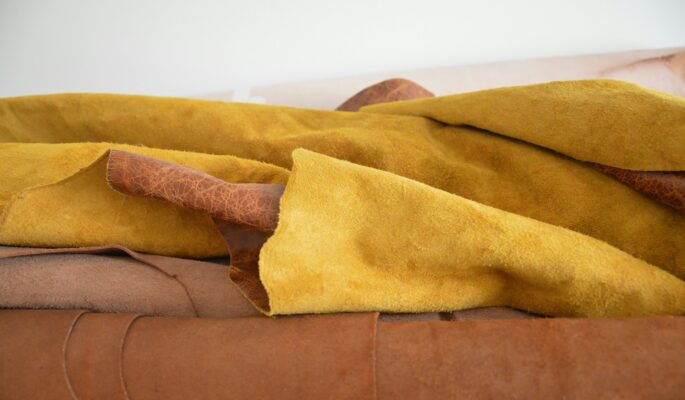
The manifesto emphasises that hides and skins are strict by-products of meat production, meaning leather demand does not drive livestock numbers or agricultural emissions. Recent scientific findings, including guidelines from Unido, confirm that using these hides prevents organic waste while offering high biodegradability and a high bio-based content.
Because leather products are inherently durable, repairable and long-lasting, the signatories argue that leather directly supports “slow fashion” and reduces reliance on fossil-fuel-based synthetics. The coalition asks COP31 leaders to promote natural renewable fibers and incorporate leather into future policy frameworks for the global circular economy.