- Producer prices for footwear rose by 1.5 per cent in the first half of the year, whilst consumer prices rose by 1.2 per cent.
- Germany exported 191.2 million pairs of shoes worth 5.3 billion euros. The volume fell by 0.4 per cent, whilst the value fell by 0.7 per cent.
- Shoe imports fell by 6.8 per cent to 366 million pairs. The value of imports fell by 9.8 per cent to 6.1 billion euros.
- China remained the most important supplier country, accounting for 42.4 per cent of the total. Imports from China fell by 3.5 per cent to 155.2 million pairs.
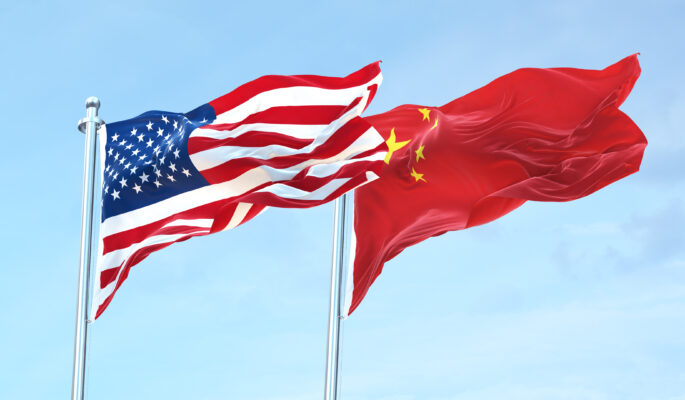
- Exports to the USA rose by 22.6 per cent to 11.9 million pairs. Declines were recorded in Italy and France, amongst others.
From the HDS/L’s perspective, international markets are becoming increasingly important in view of the difficult situation in Germany. “German footwear and leather goods enjoy a good reputation abroad – we must promote this and further strengthen our international contacts,” says Torben Schütz, Managing Director of the HDS/L.
The association remains cautious about the coming months. Subdued consumer spending, high costs, geopolitical tensions and trade conflicts are weighing on manufacturers and brands. Added to this are longer transport routes and rising logistics, energy and raw material costs.
The HDS/L anticipates additional burdens arising from the national implementation of the revised EU Waste Framework Directive. The planned extension of extended producer responsibility for textiles and footwear is intended, amongst other things, to make companies contribute to the costs of collecting and recycling used products. According to the association, the sector supports the goal of a stronger circular economy but calls for harmonised and, as far as possible, unbureaucratic implementation. The association continues to see opportunities in products that combine functionality, quality, design and durability.