In the first half of 2026, Germany was the main destination for Portuguese footwear, accounting for 24 per cent of exports, followed by France with 20 per cent, the Netherlands and Spain with 11 per cent each, and the United Kingdom with 6 per cent.
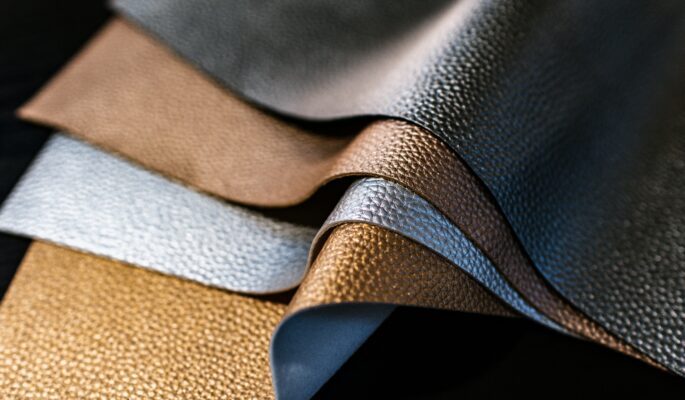
The Portuguese industry is also diversifying its materials and product categories. The share of leather footwear in exports has fallen from 69 per cent three years ago to 58 per cent, whilst the share of rubber and plastic products has risen from 13 per cent to 21 per cent and that of textile products from 8 per cent to 12 per cent. In the waterproof footwear sector, Portugal ranks fifth amongst the world’s largest exporters, with a 3.4 per cent share and international turnover of US$55 million.
Paulo Gonçalves concludes that the diversification of product groups is particularly important for the current development of Portuguese brands. He concludes that “the sector is acquiring new skills, diversifying its range and reducing its dependence on more traditional categories, without abandoning the know-how accumulated over several generations.” Portugal’s position must be recognised, but it leaves no room for complacency, according to the managing director: “Companies are facing high costs, geopolitical instability, increased competitive pressure and less dynamic international demand. Continued investment in innovation, sustainability, skills development and international marketing will be necessary to defend the ground they have gained.”