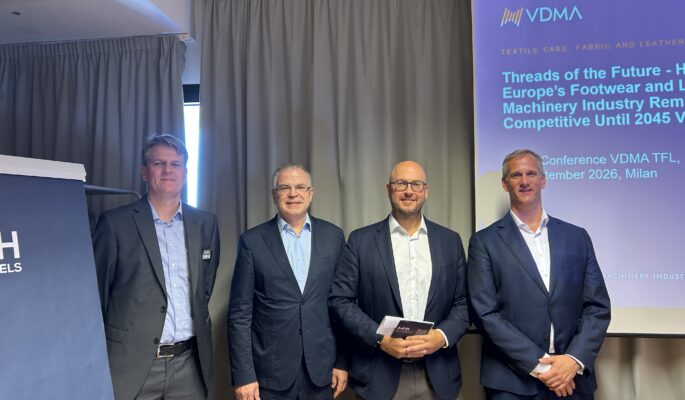
If the need is obvious, why is progress so slow? Van de Kerkhof named several reasons. The first is fragmentation. Supply, demand, collection, sorting and recycling are not yet connected in a way that creates industrial scale. The second is weak economic alignment. Recycling cannot currently compete with virgin materials on price, and many businesses lack the incentive to invest. The third barrier is policy uncertainty. Regulation is moving, but in many areas too slowly or without enough precision to give investors confidence.
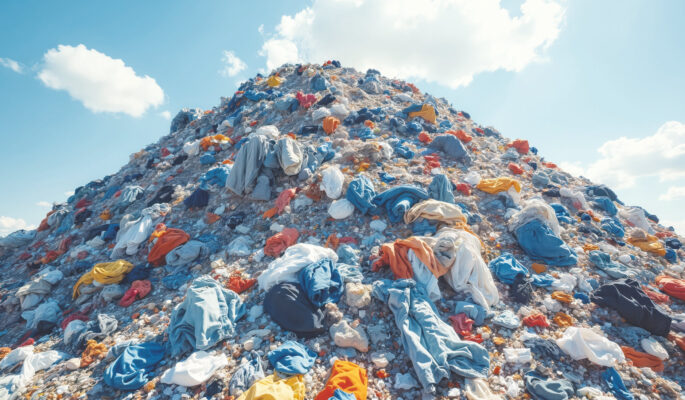
Some early recycling ventures have already struggled or gone bankrupt, not because the problem disappeared, but because Europe remains weak at scaling innovation from start-up phase to industrial maturity. Capital is another major bottleneck. Building collection, sorting, preprocessing and recycling capacity requires billions in investment. According to van de Kerkhof, Europe may need around 10 billion Euro to 15 billion Euro to create enough capacity to process around 2.5 to 2.7 million tonnes of textile waste. That level, he argued, would represent a tipping point: large enough to bring down costs and begin creating a viable circular market.