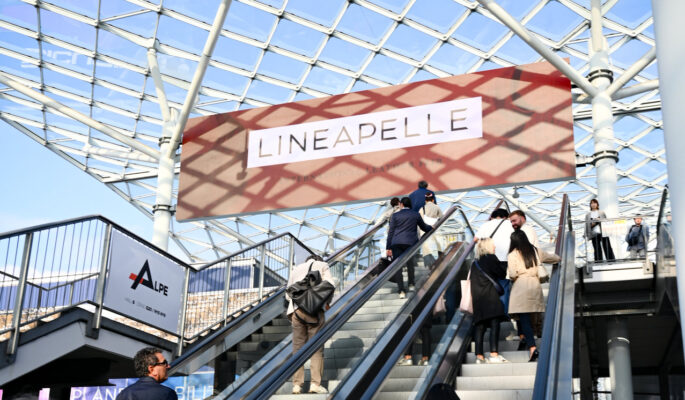
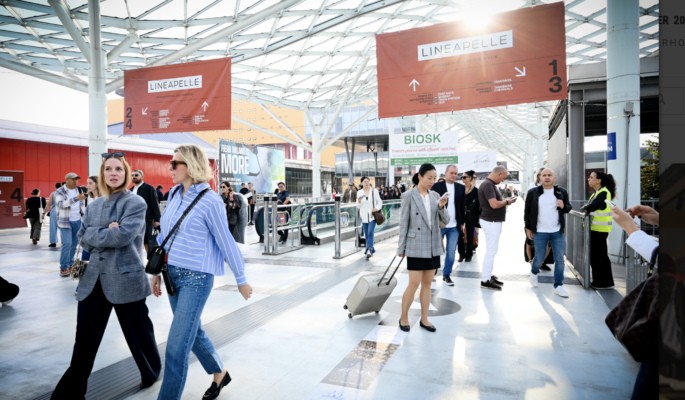
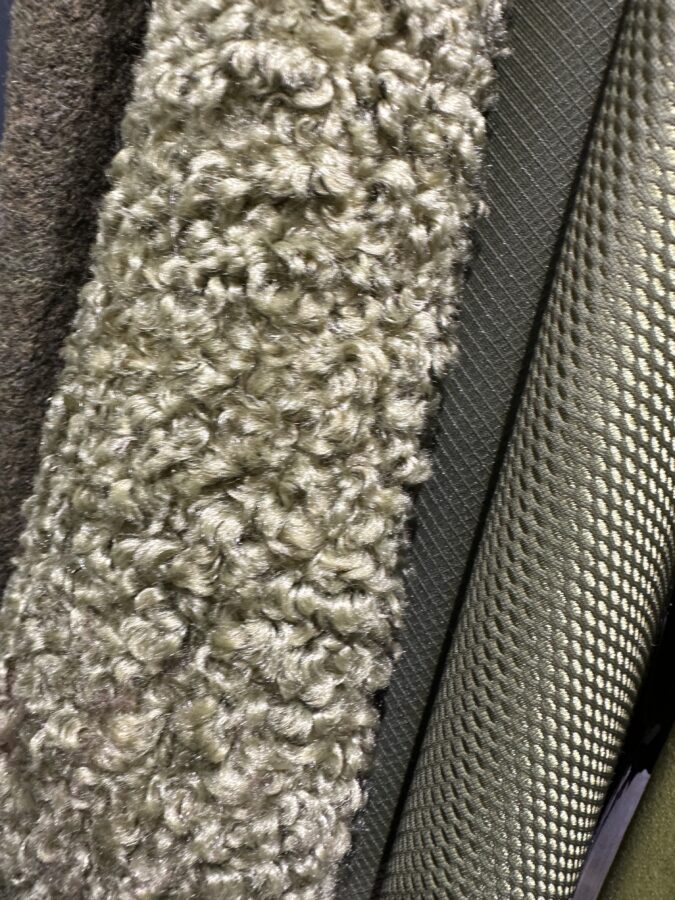
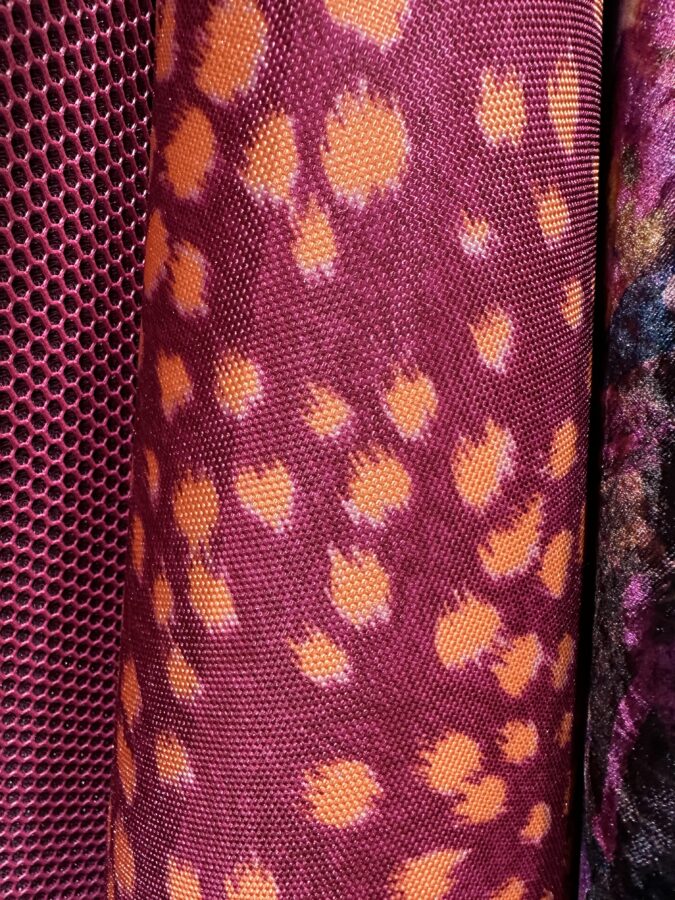
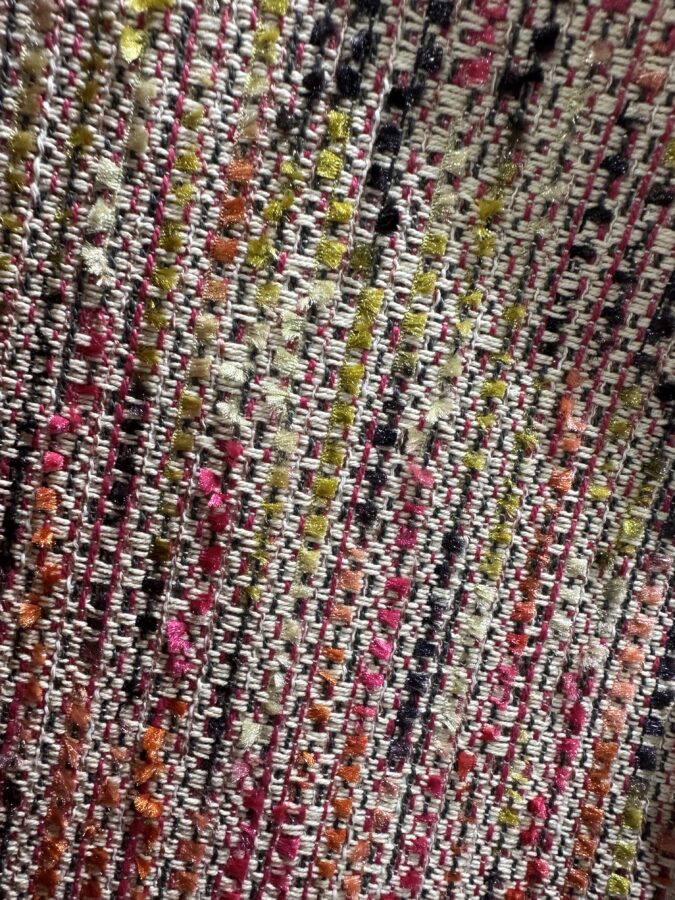
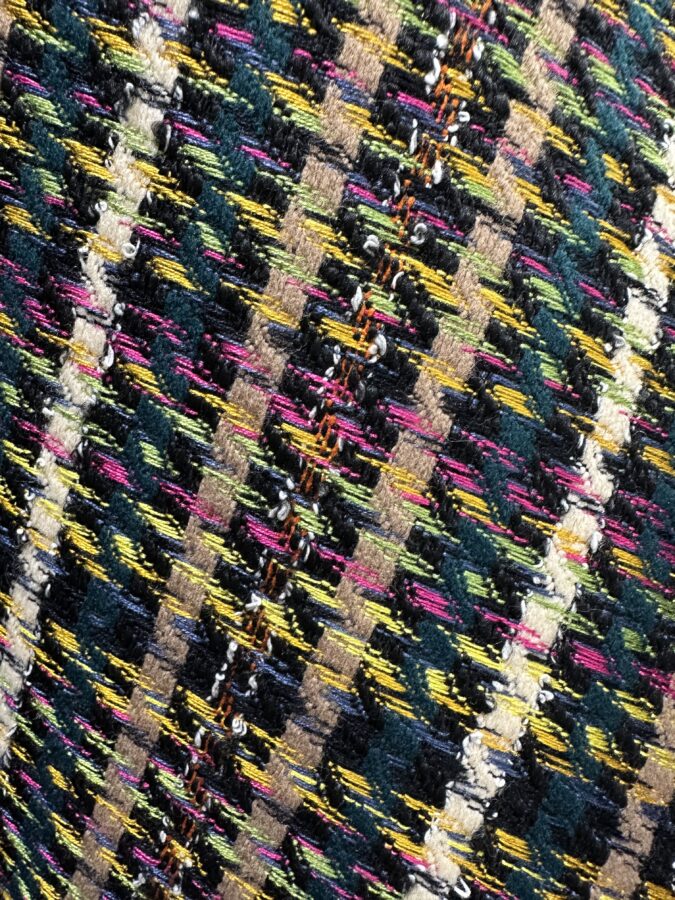
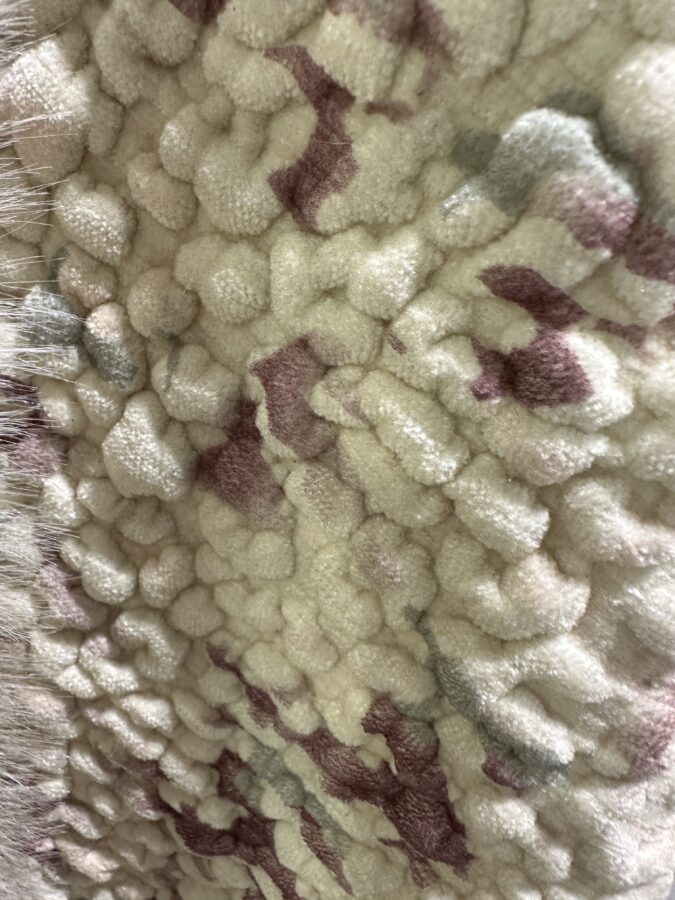
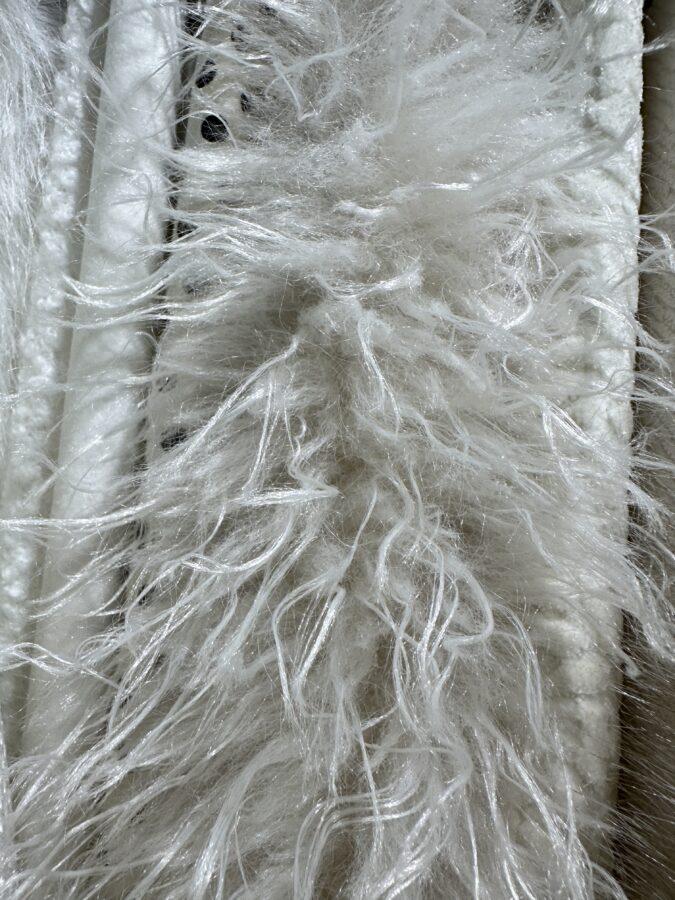
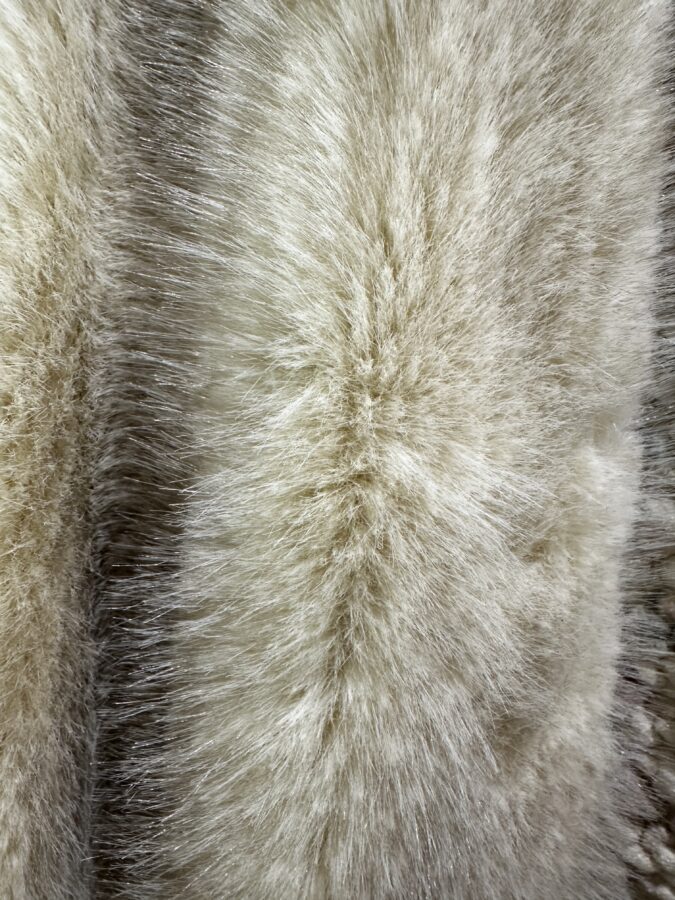
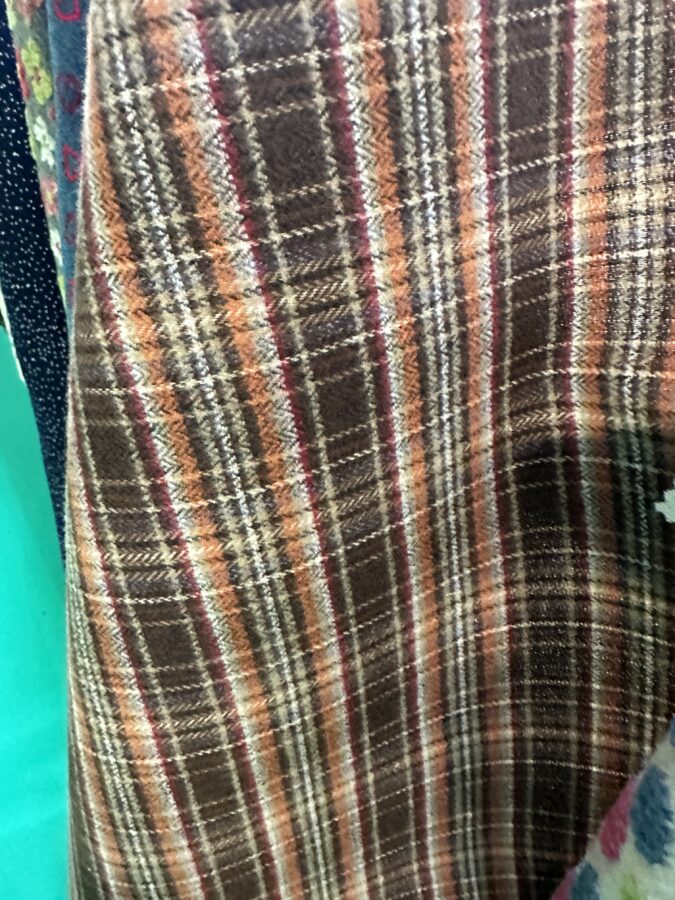
According to the organisers, the Milan fair sent positive signals for the global leather, materials and components industry. In fashion terms, next winter is set to be sophisticated and premium in feel.
13.10.2026
Petra Steinke
1 minute
Continue reading — free newsletter signup
This article is part of our editorial coverage. Subscribe to the free STT newsletter to unlock the full article and receive our regular updates by email.
Continue reading
Subscribe to the free STT newsletter to unlock the full article.
Large areas of the halls sectioned off, wide aisles: the 108th edition of Lineapelle reflected the current state of the market. Although the shows for the Autumn/Winter season are traditionally the stronger editions, it was once again evident that the number of exhibitors had fallen compared with the previous year’s event (see box on page 29). Nevertheless, the organisers see the course of the fair as evidence of the continued strong need for international exchange, sourcing and product development, despite the caution that remains evident throughout the supply chain.
Many market participants reported that conditions remain challenging. Disruptions to supply chains are affecting operations and driving up costs. At the same time, general consumer reluctance to spend is being felt across many markets. Footwear manufacturers are therefore looking to make savings when selecting materials. Market observers also note that footwear production continues to shift from Europe to Asia. In short, the industry is facing pressure from all sides.
With the September edition, the organisers continued their strategy of expanding the fair beyond its traditional role as a sourcing platform. Panel discussions, presentations and expert talks during the three days addressed key issues currently shaping the industry: creativity and innovation, sustainability and technology, education and training, as well as new market scenarios. Exhibitors painted a mixed picture when speaking to schuhkurier. Many had noticed that the aisles had been widened further and sections of the halls partitioned off. “I’m now looking at a black curtain hanging from the ceiling,” said one tanner. At the same time, a number of suppliers said the event had gone better than expected. A relatively quiet first day was followed by a strong second day. And, as one supplier of sole materials put it: “The quality of visitors is very good.” One footwear manufacturer visiting the fair criticised its comparatively late timing: “In February, the fair takes place earlier; by September, the season is already further advanced.”
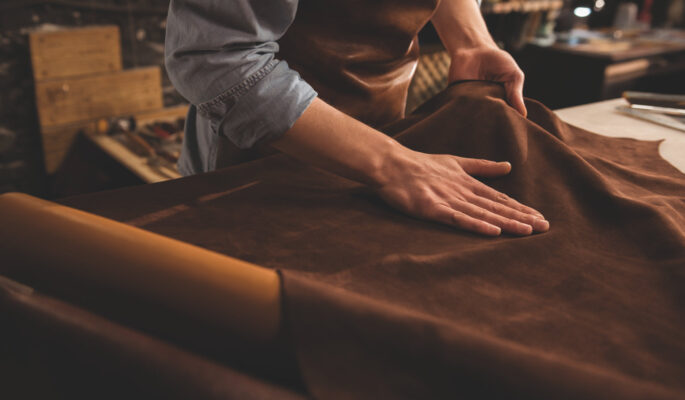
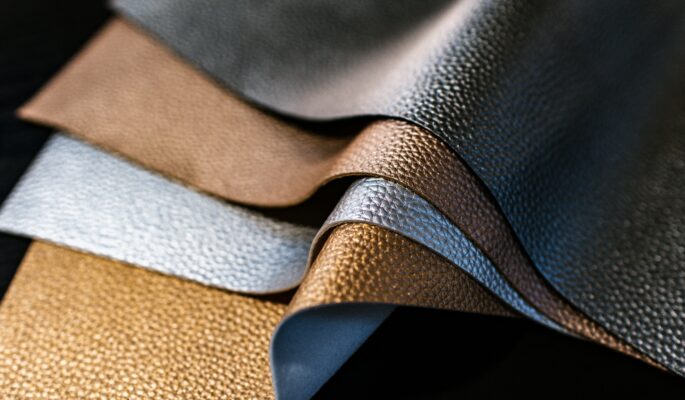
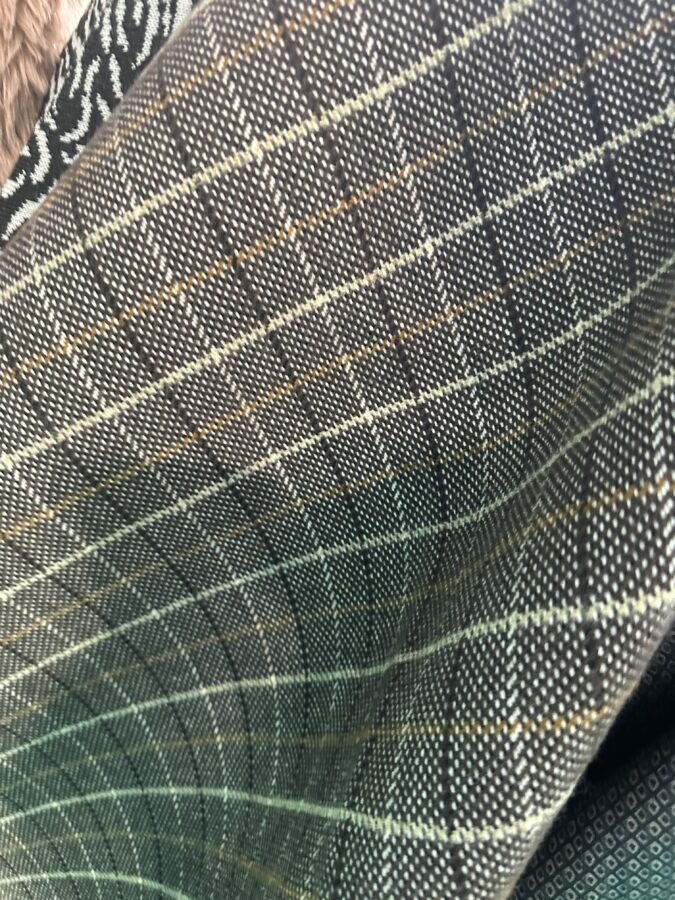
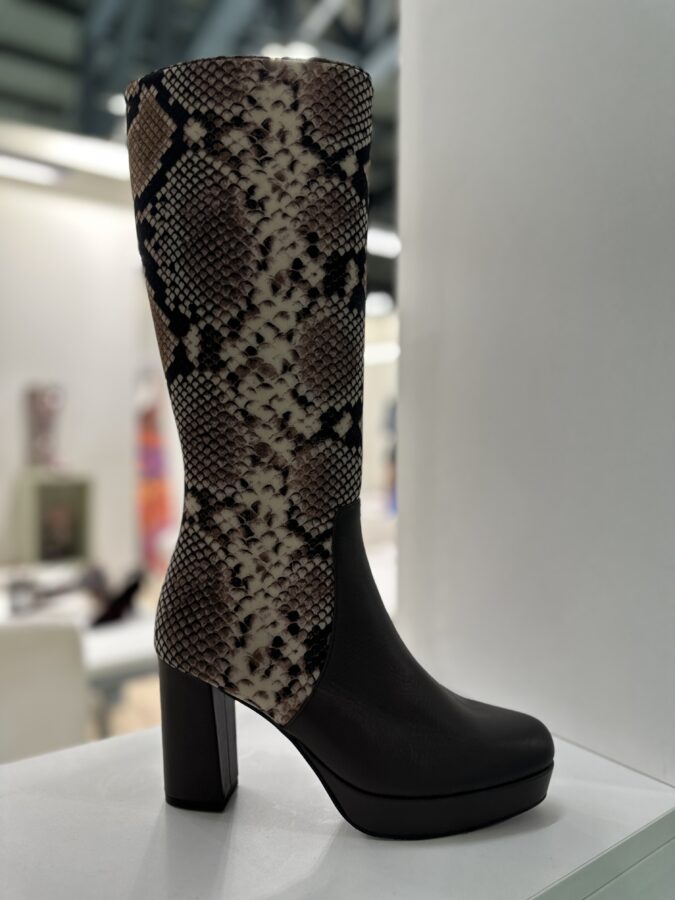
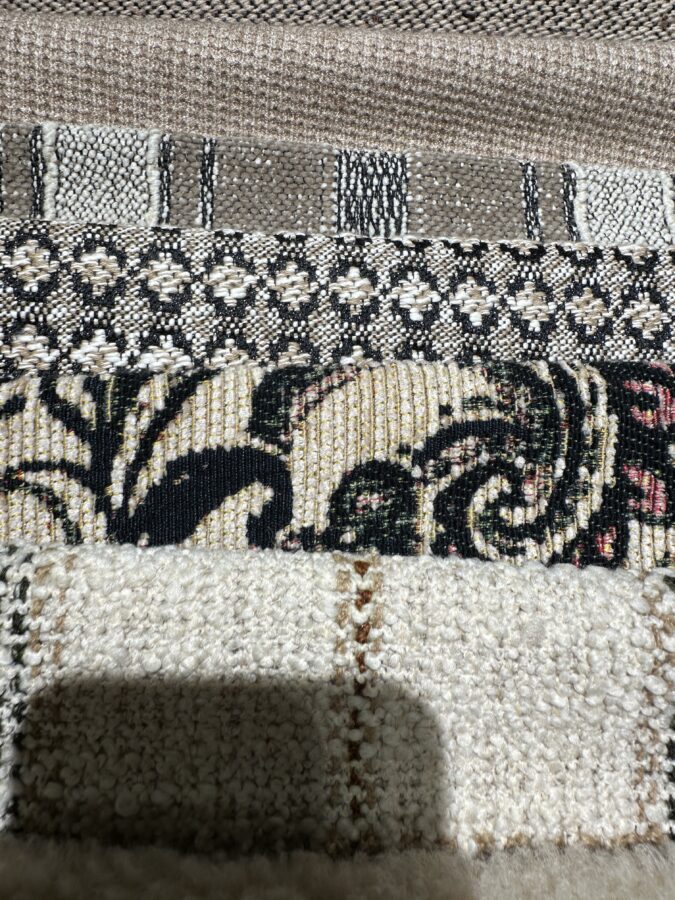
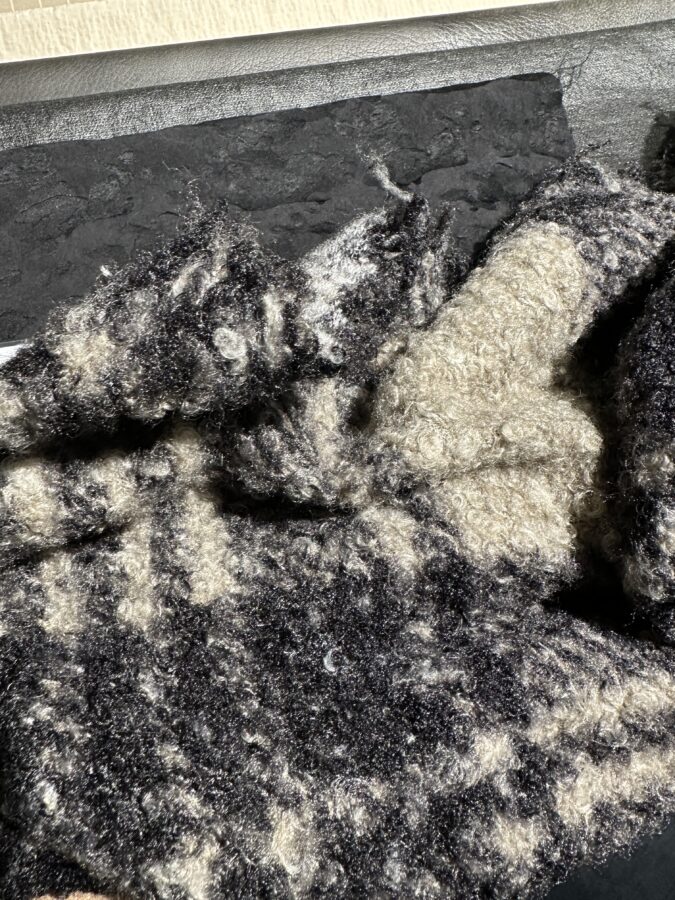
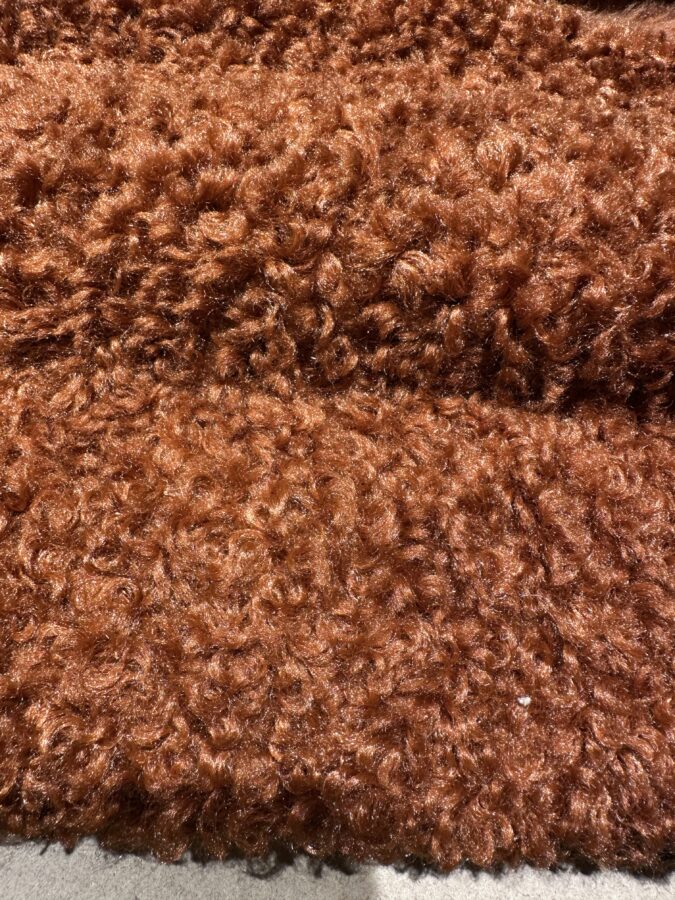
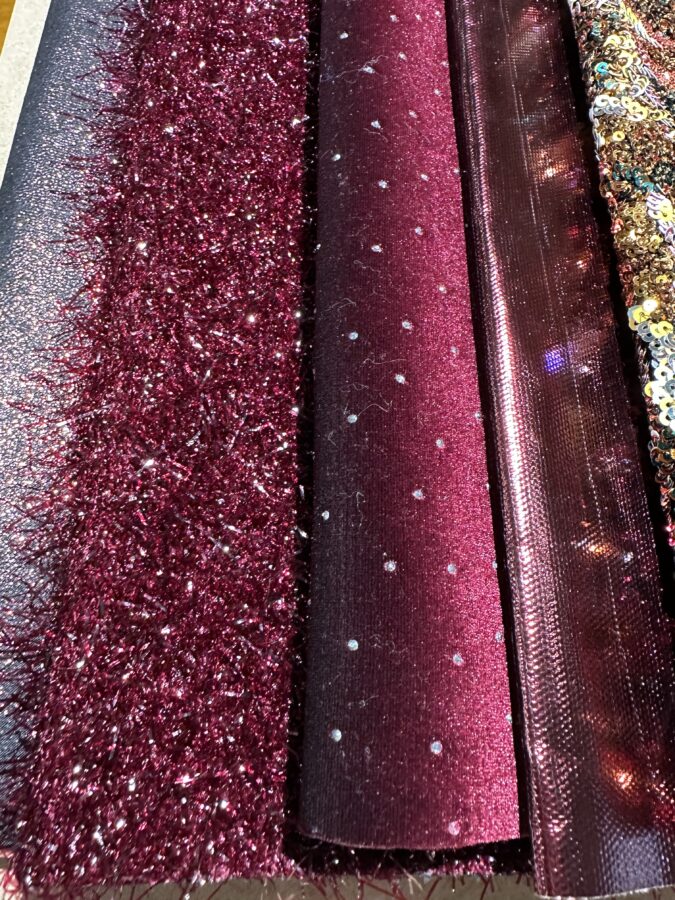
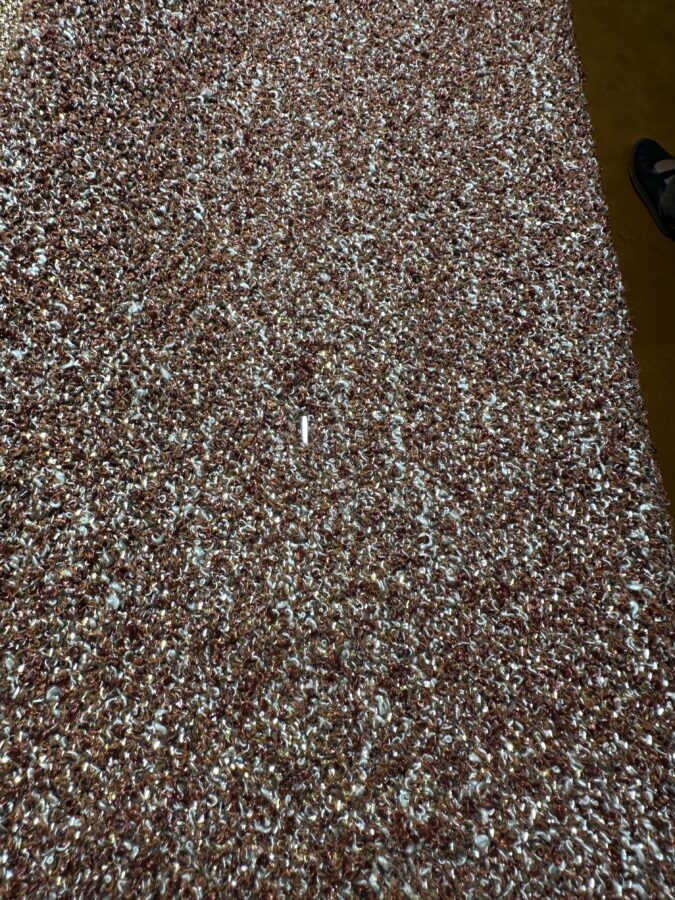
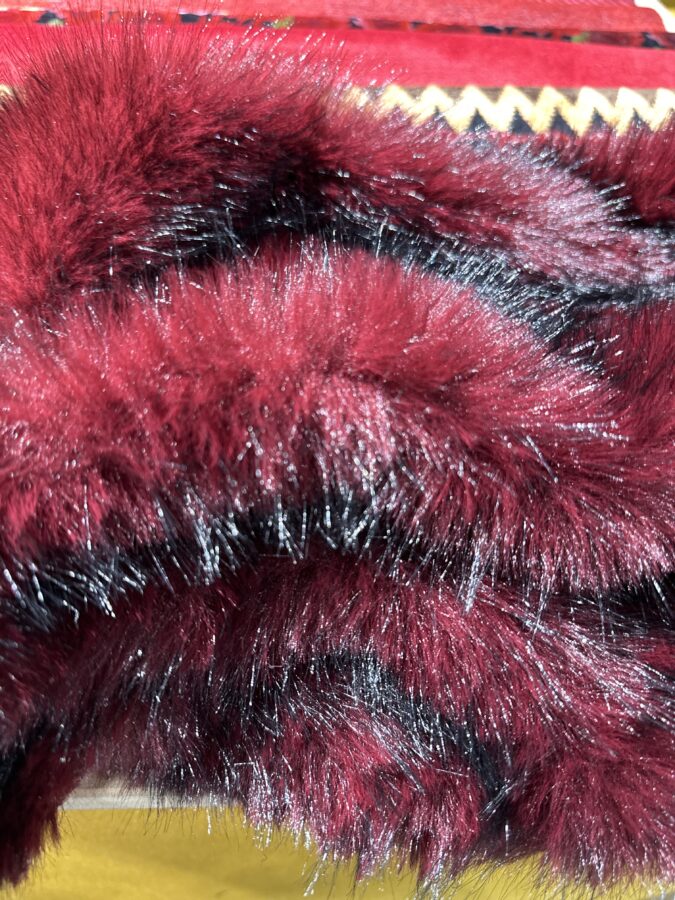
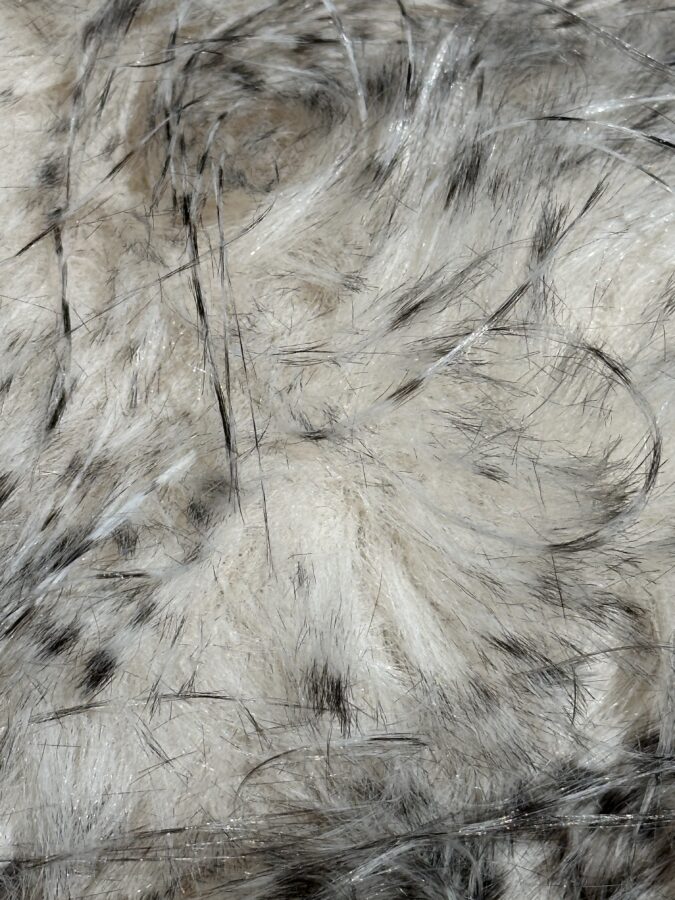
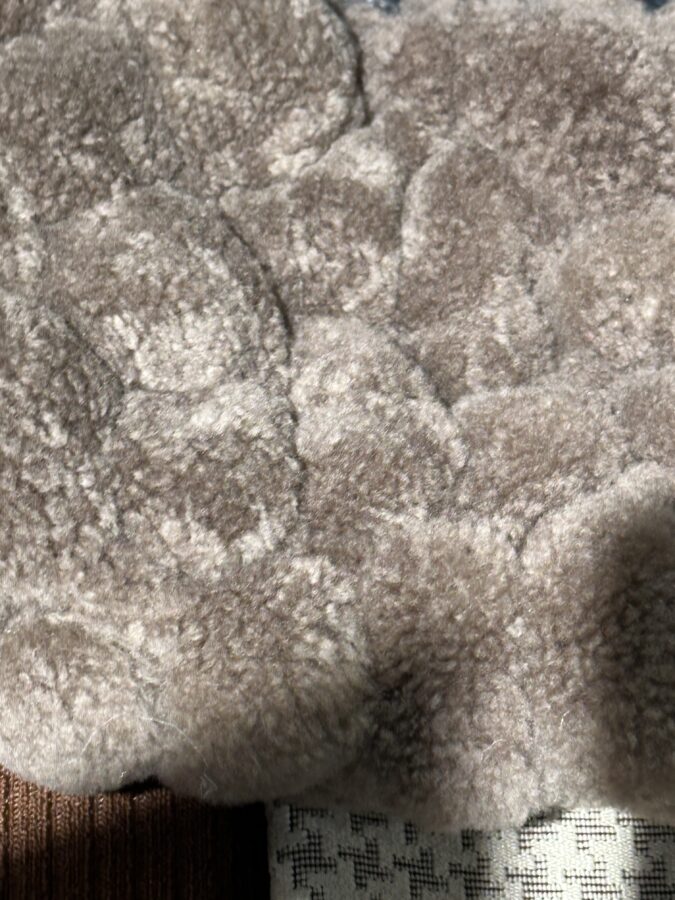
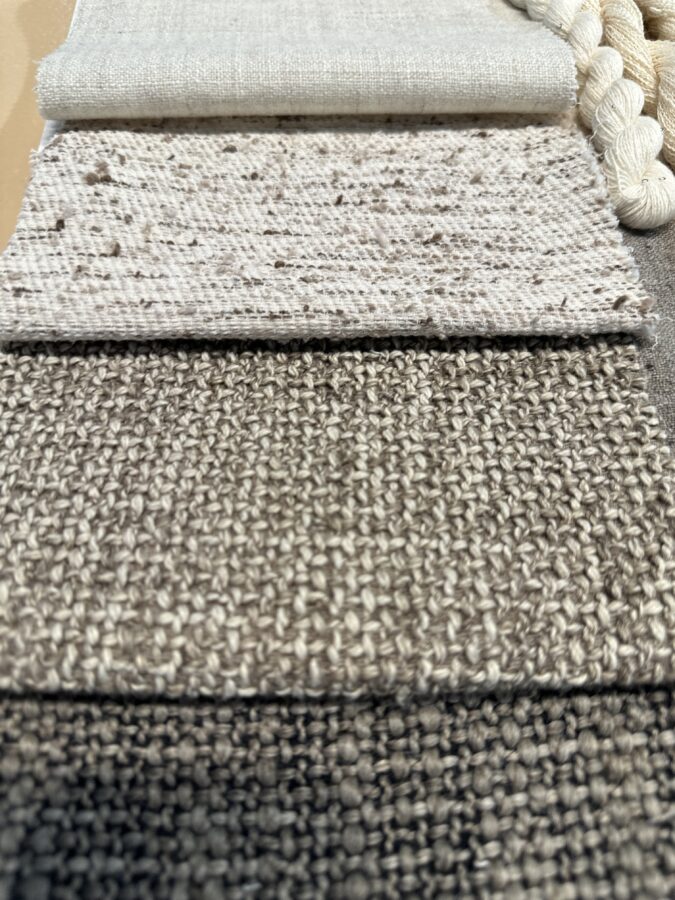
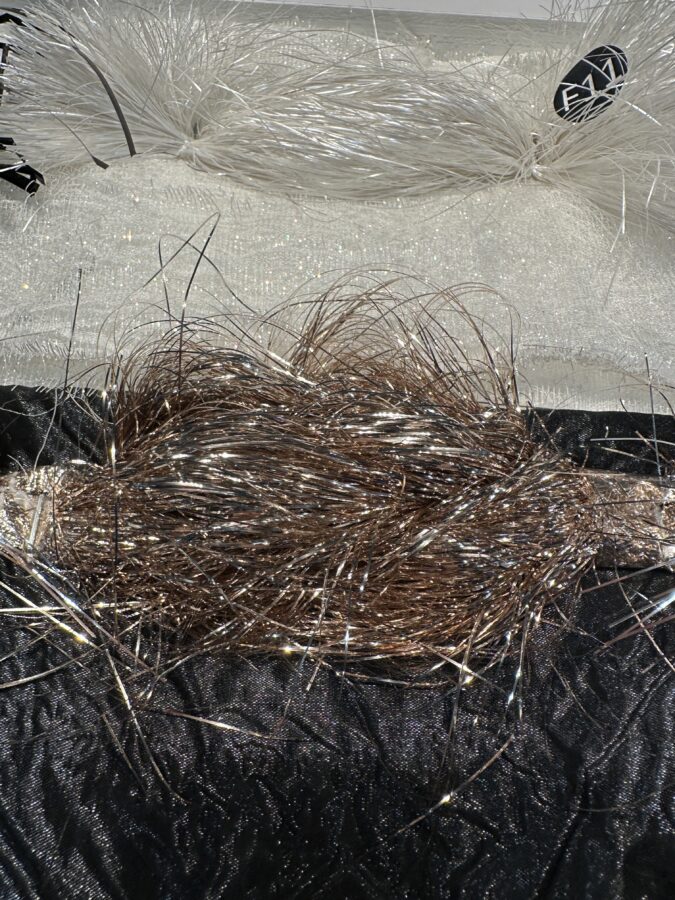
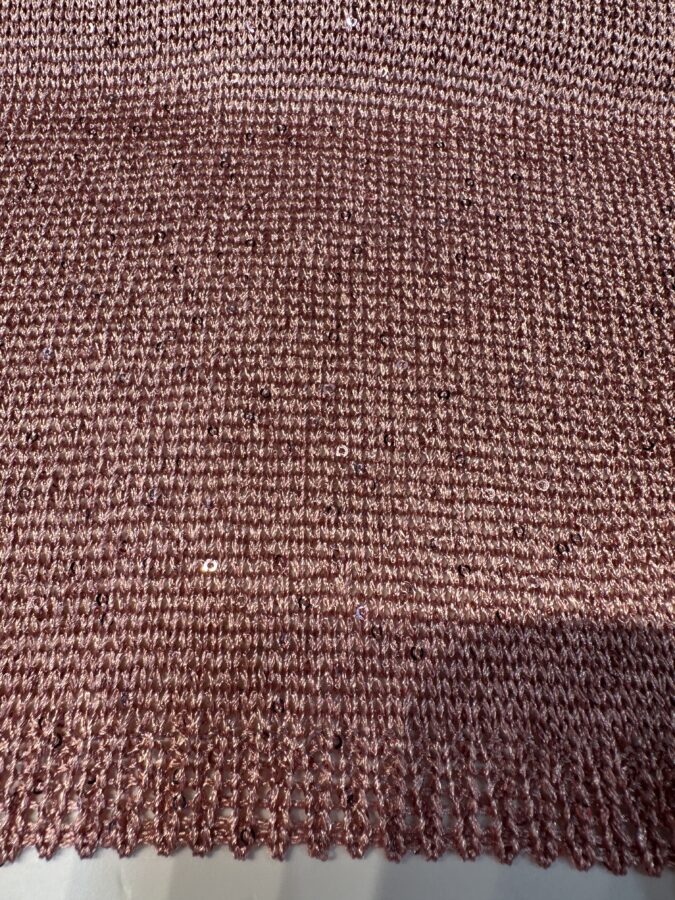
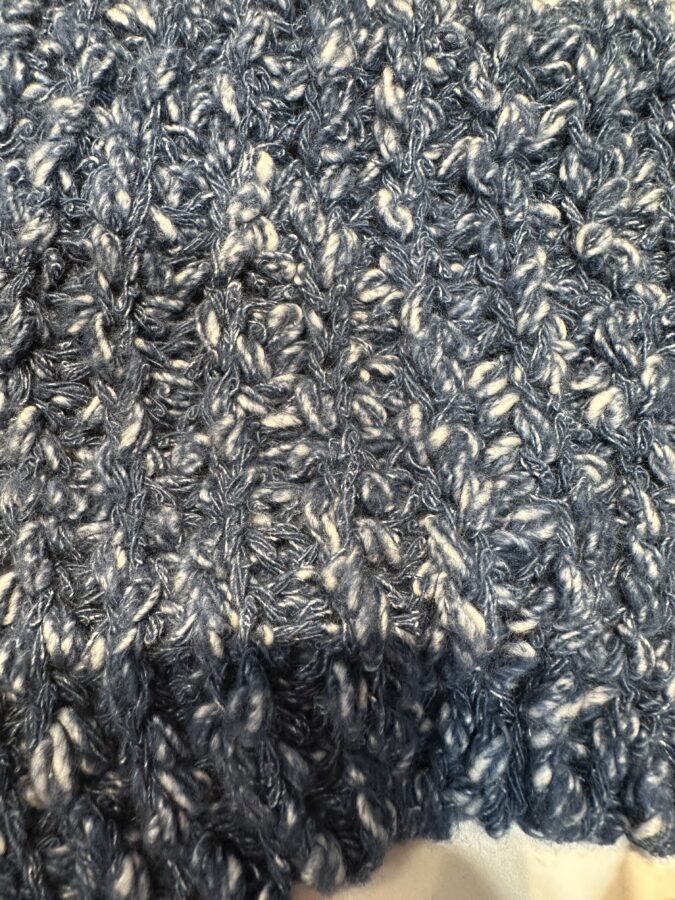
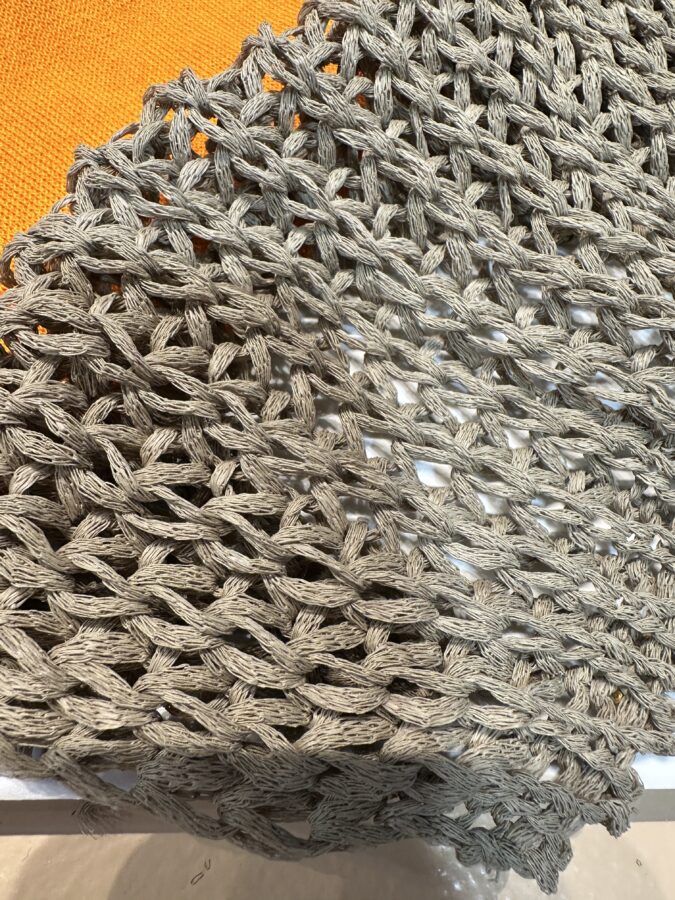
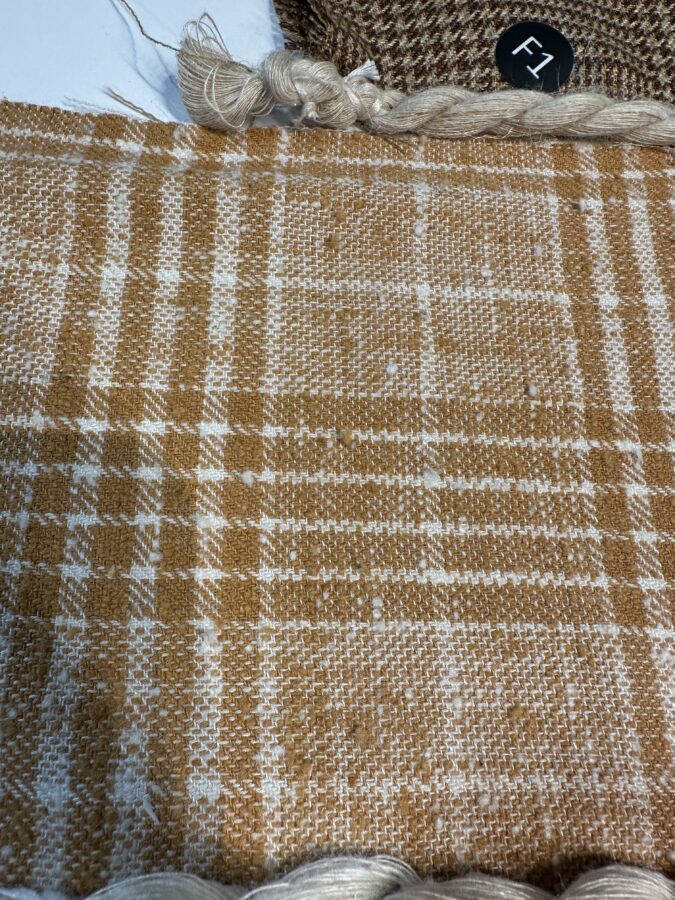
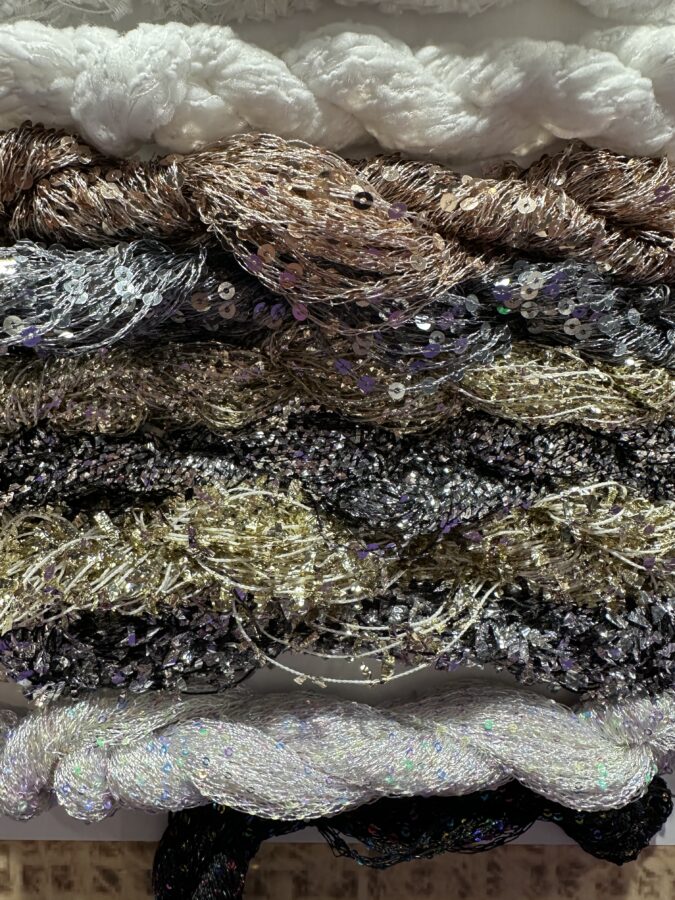
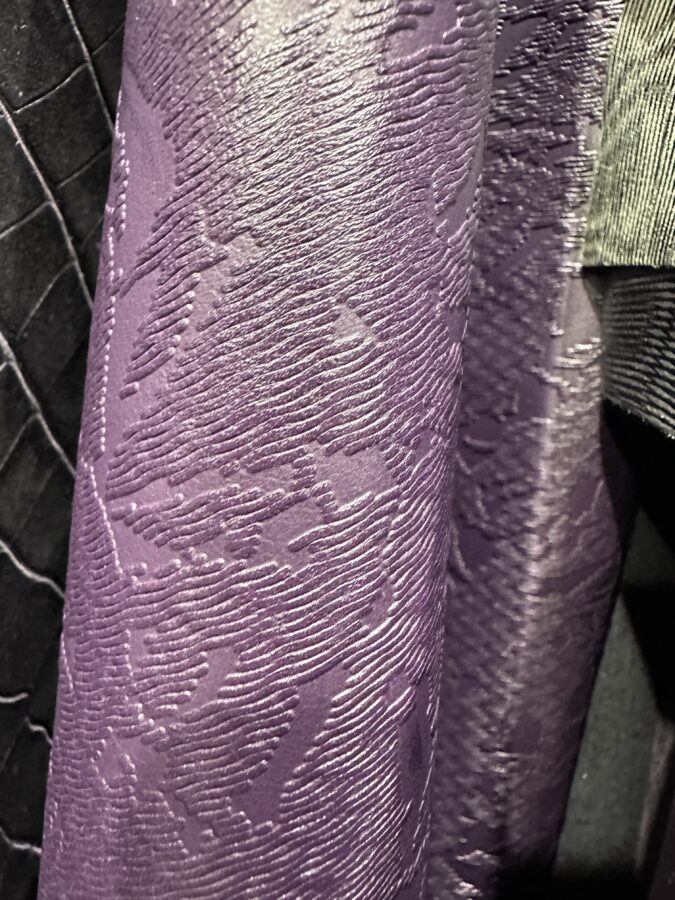
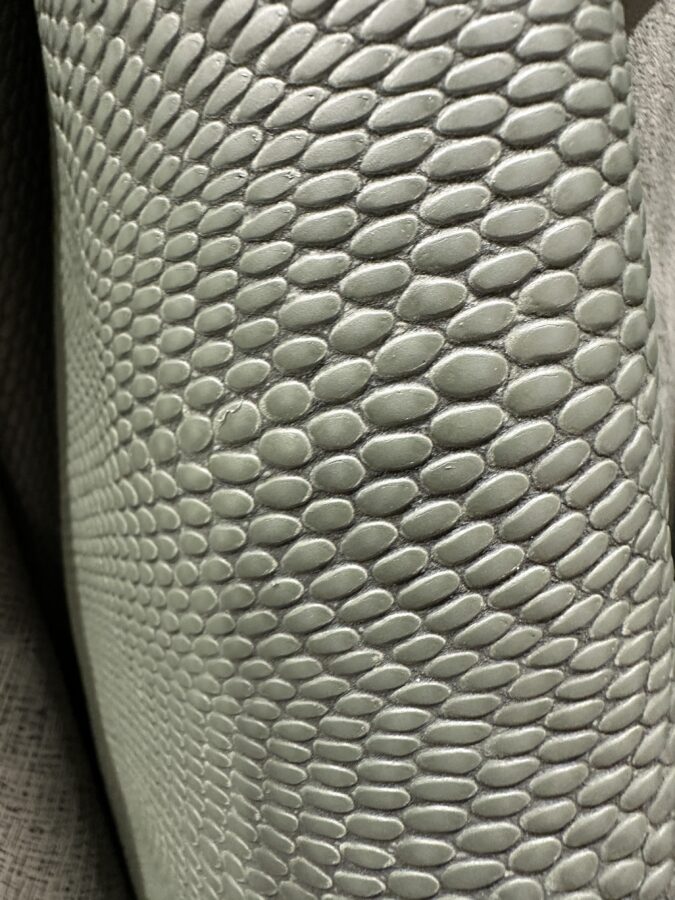
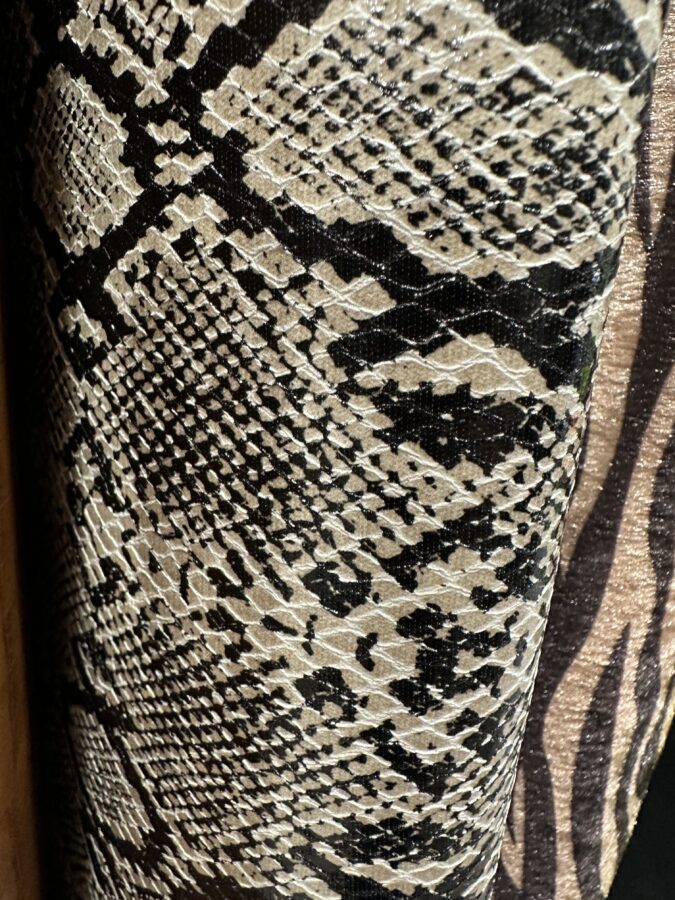
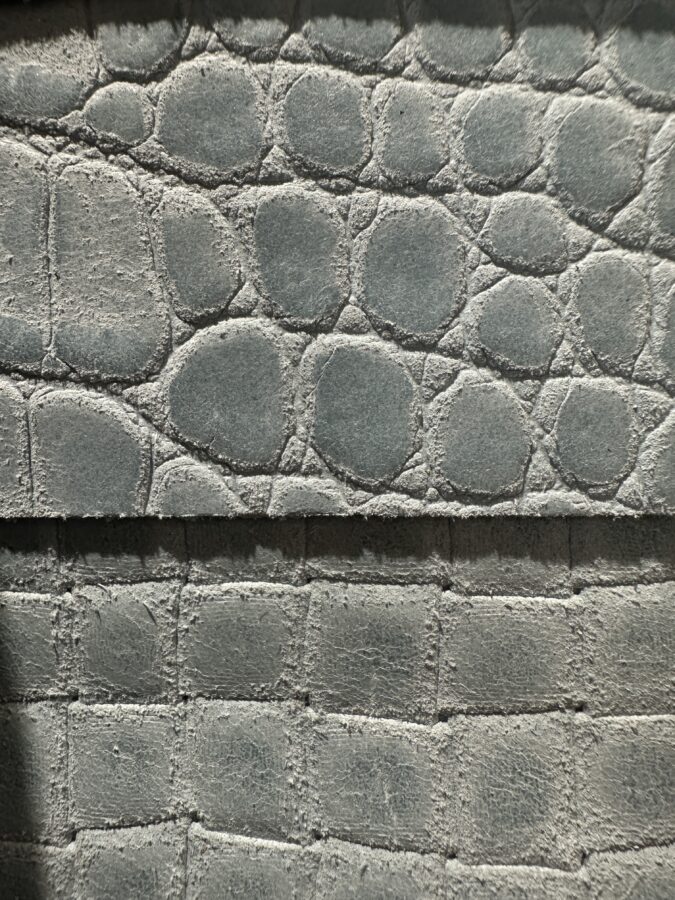
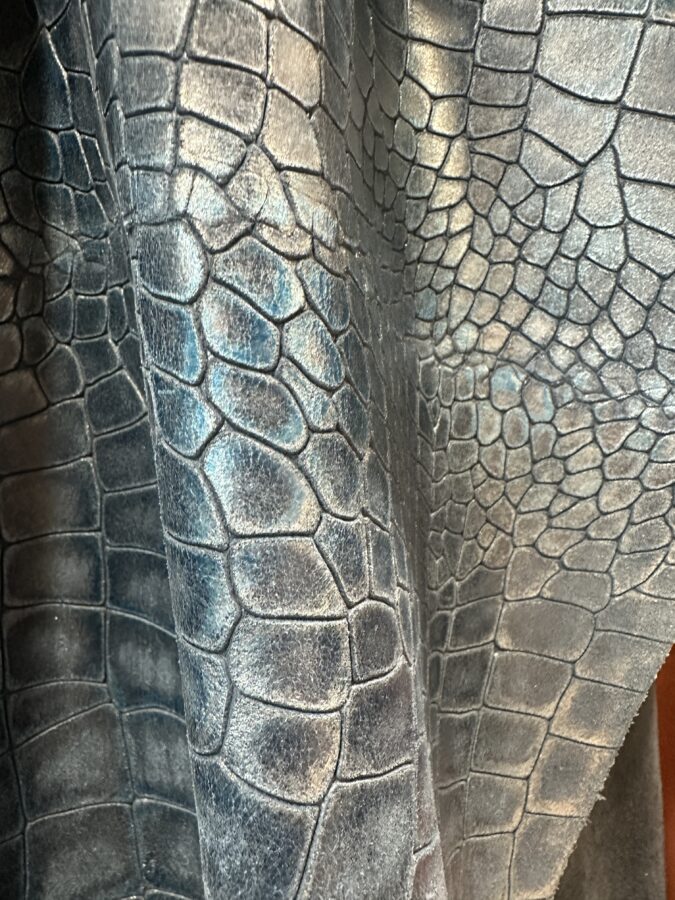
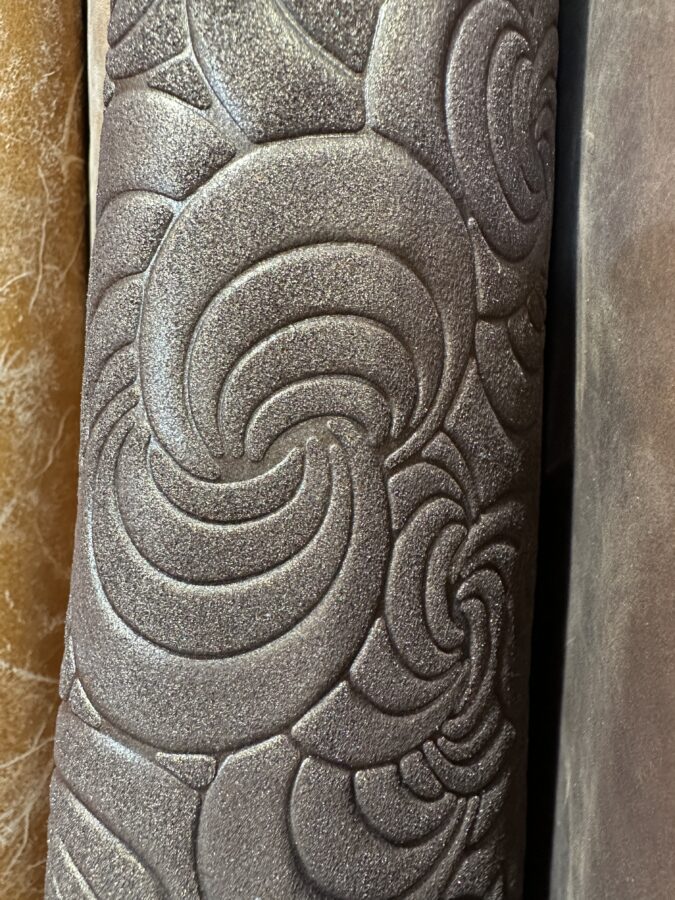
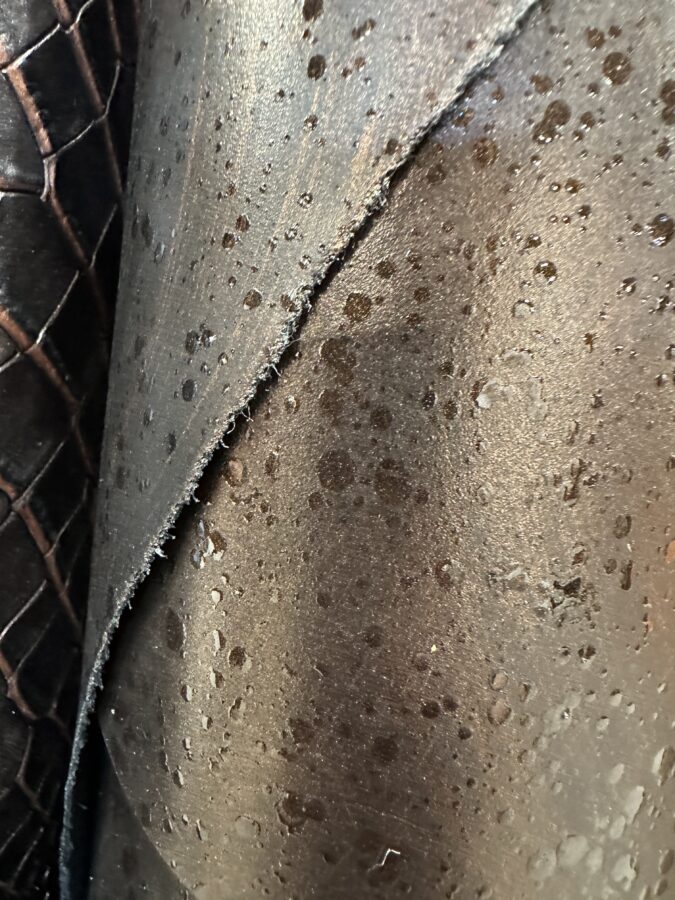
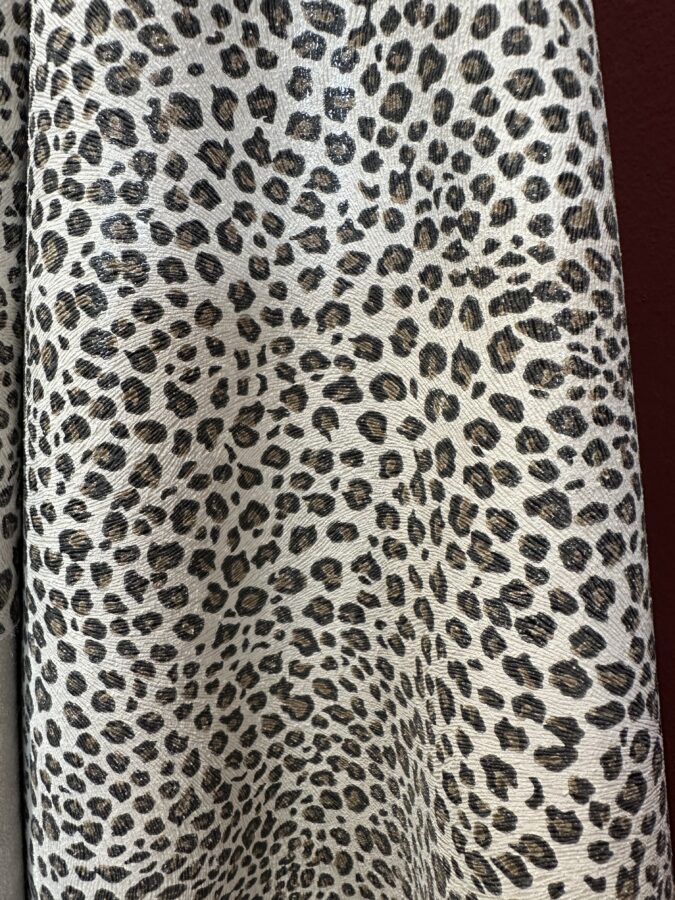
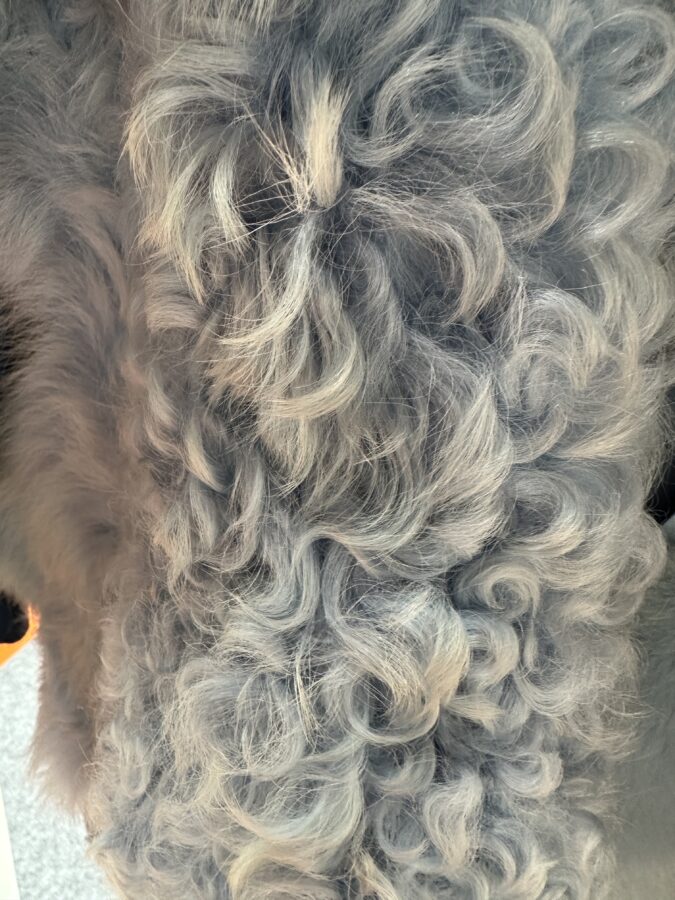
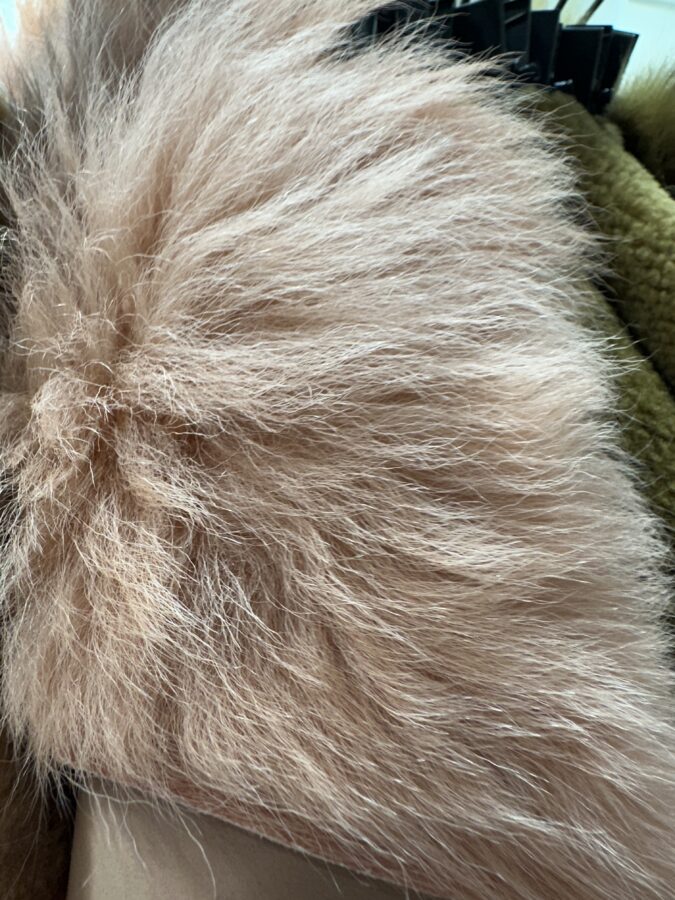
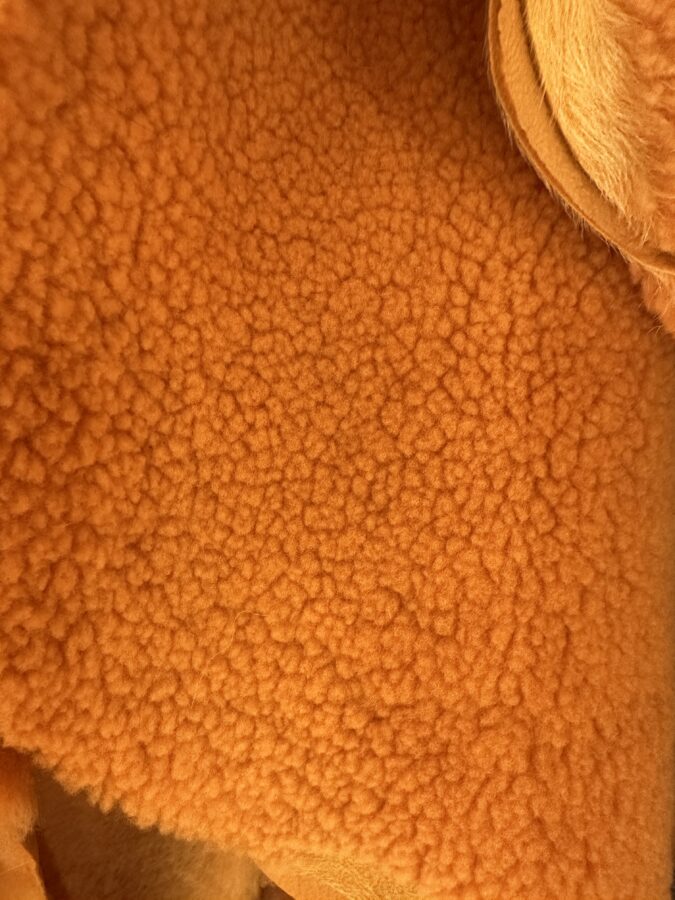
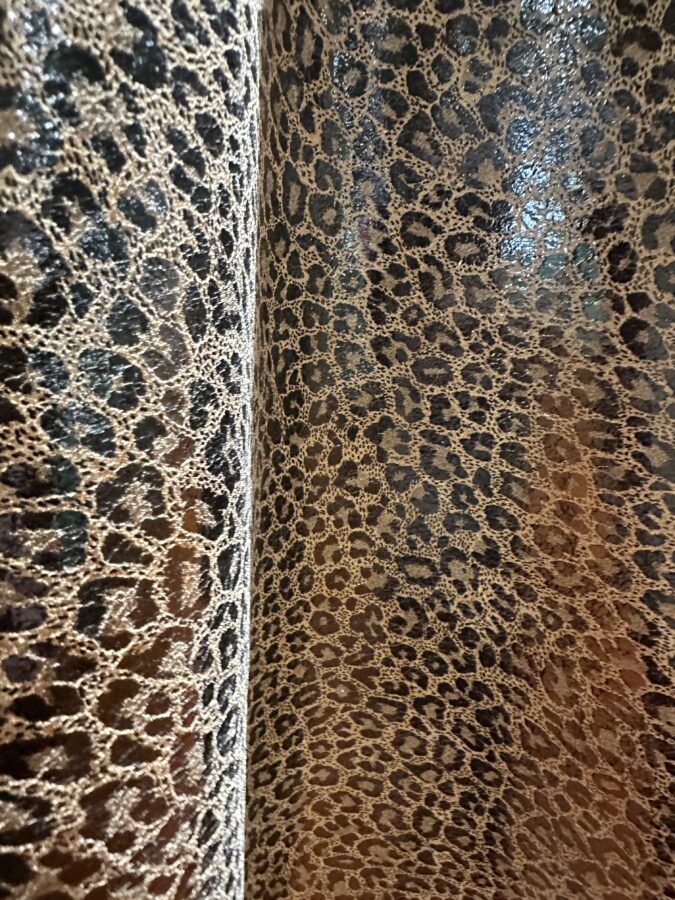
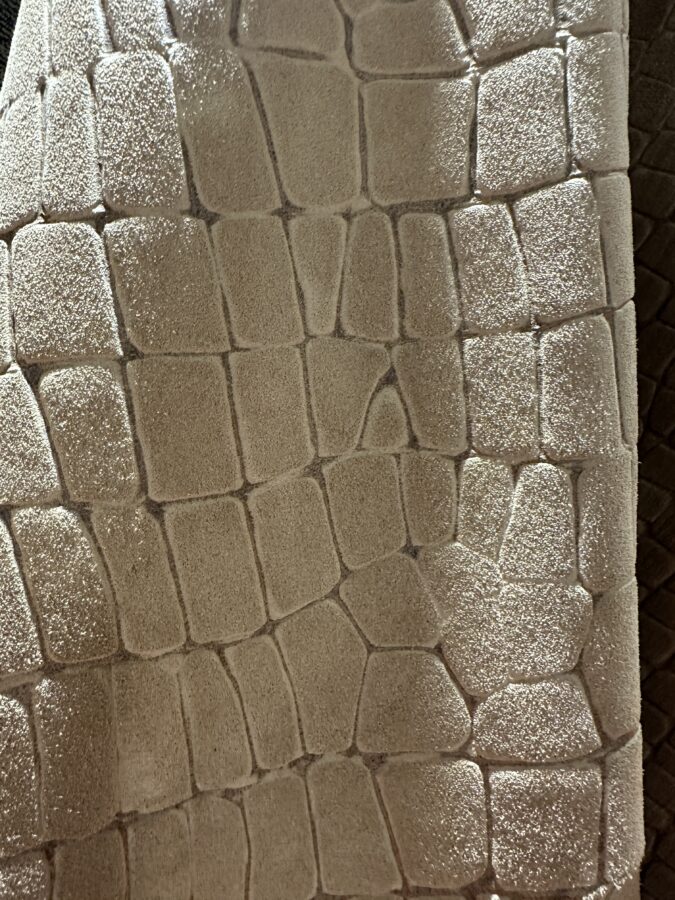
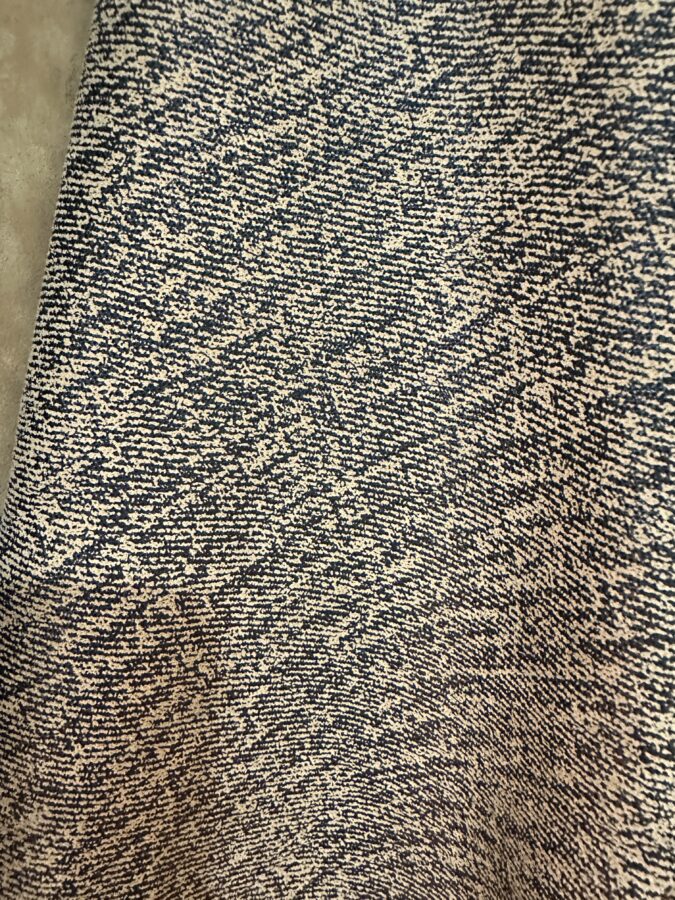
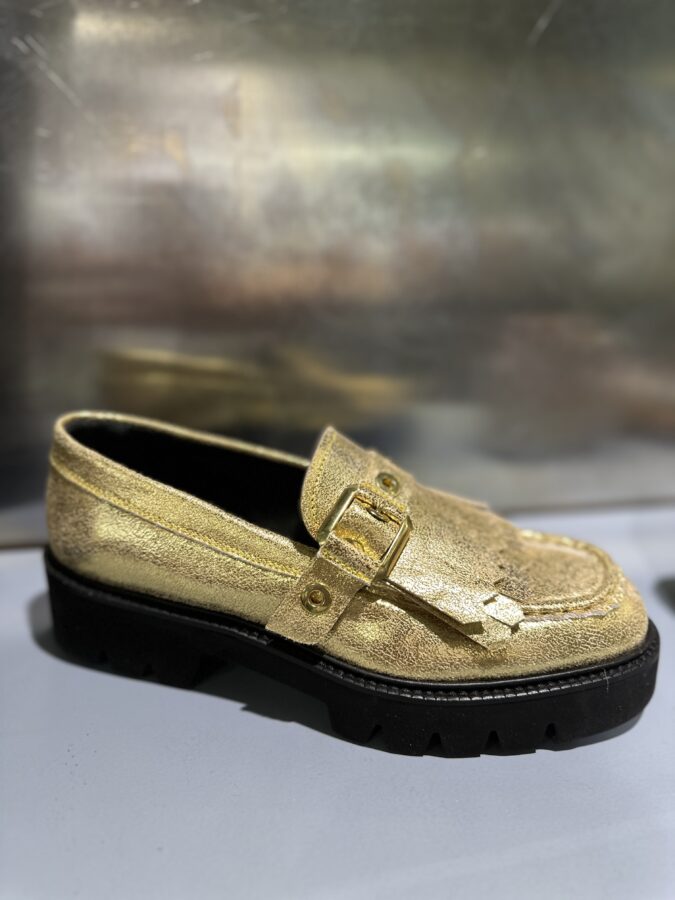
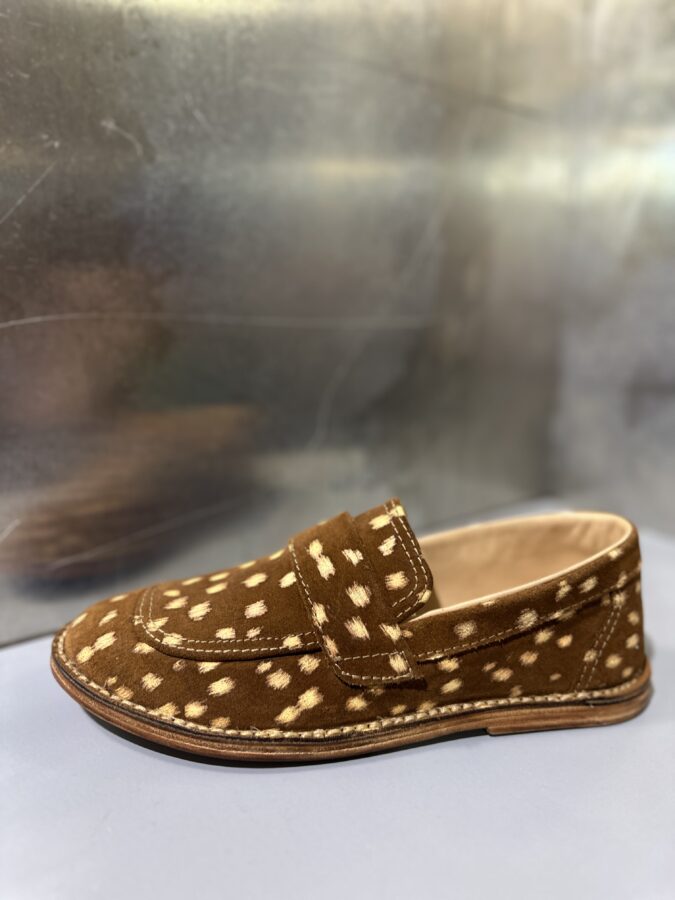
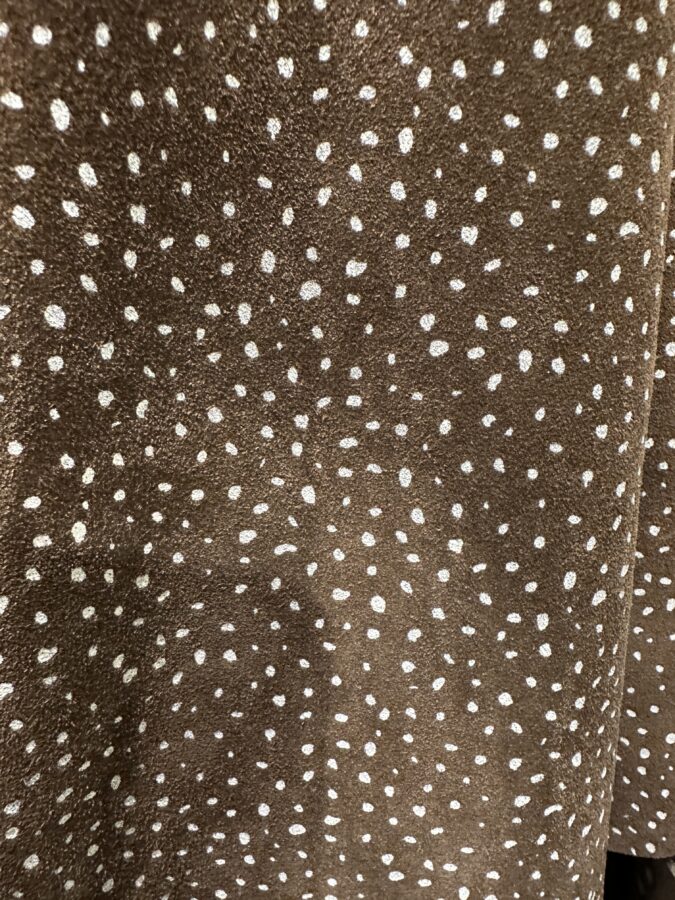
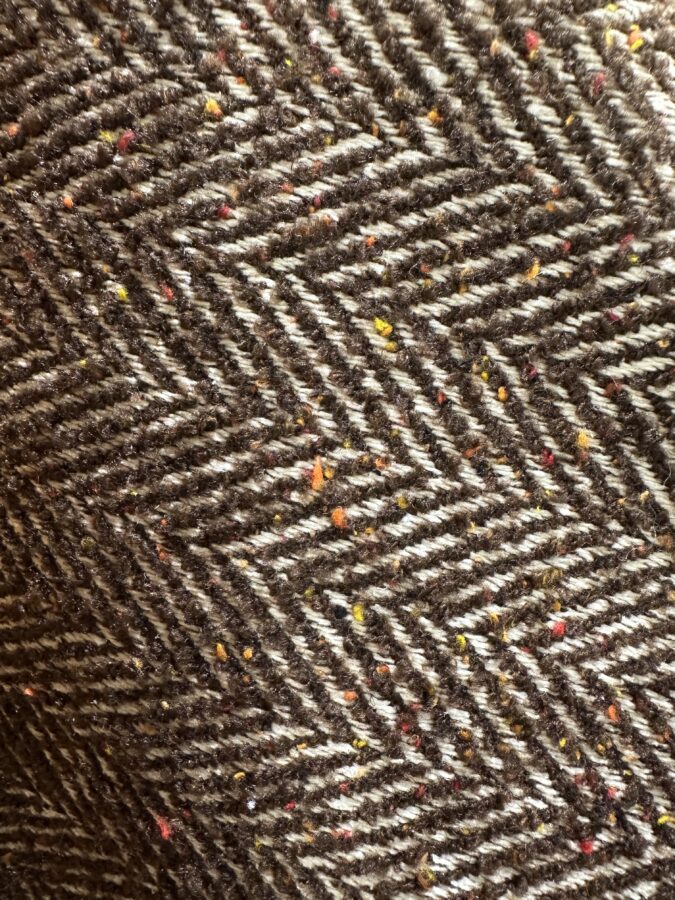
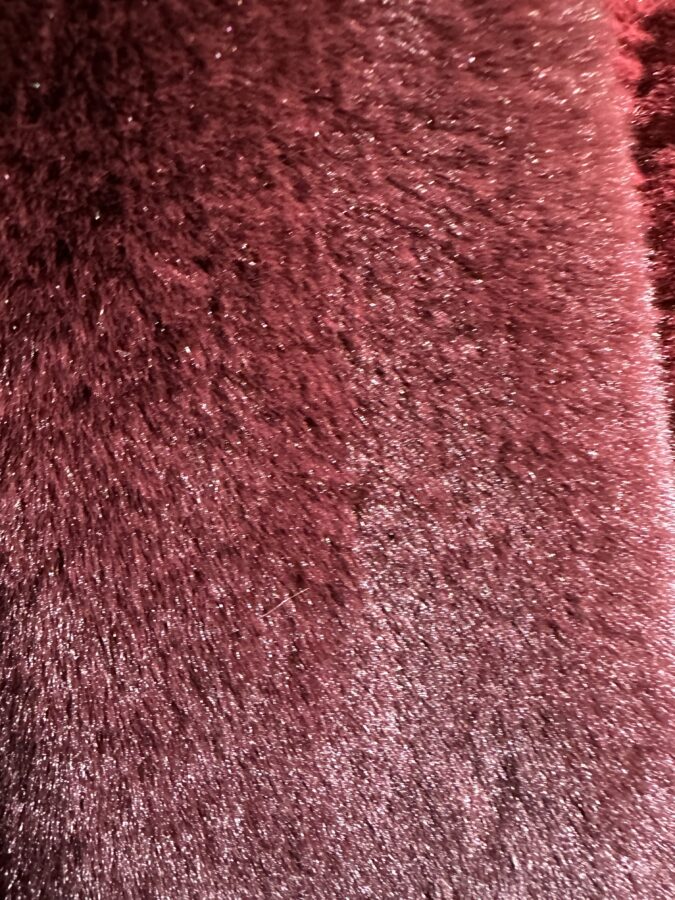
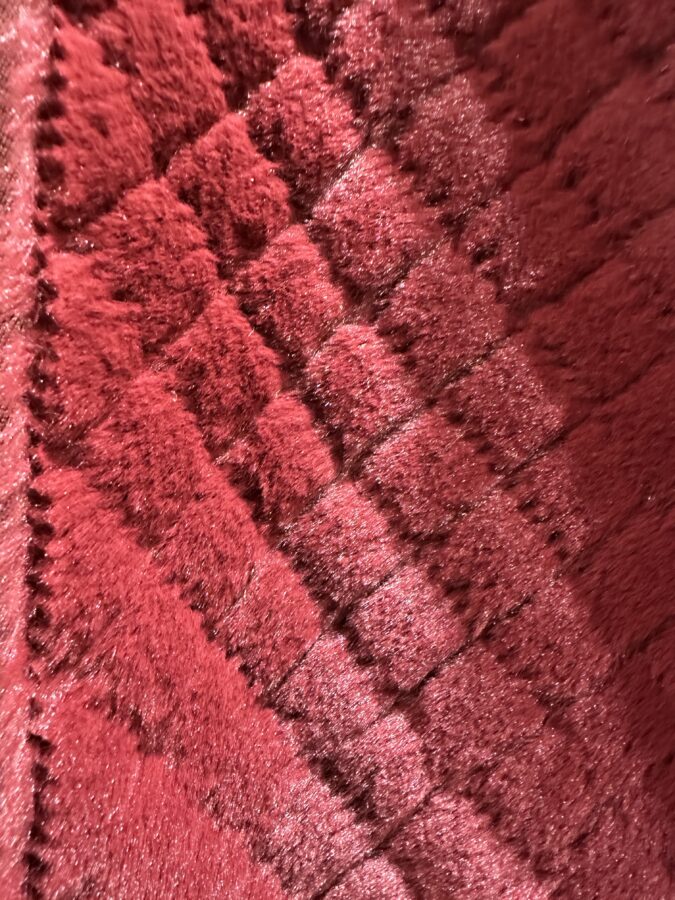
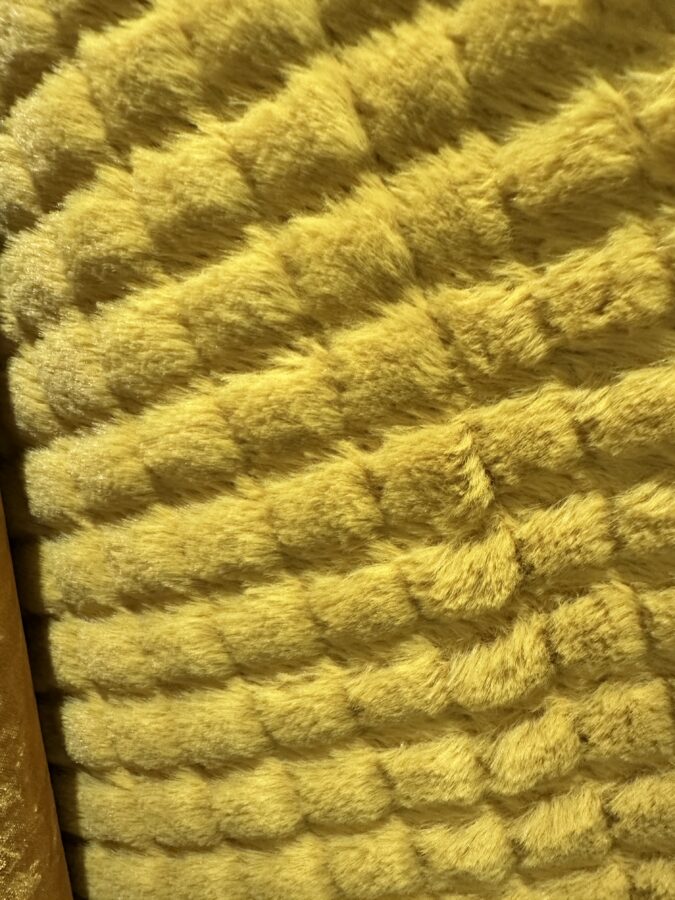
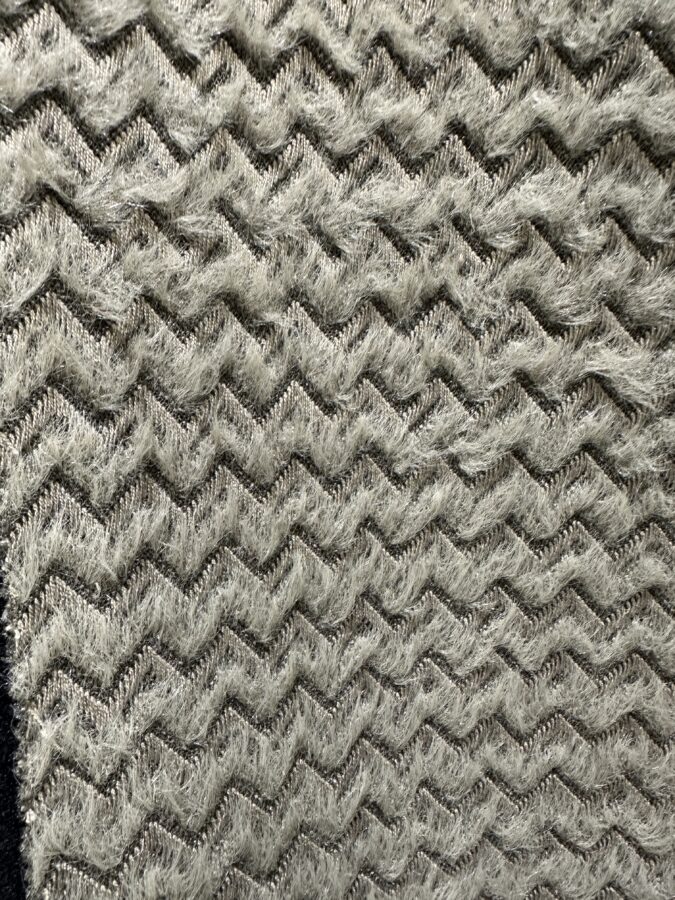
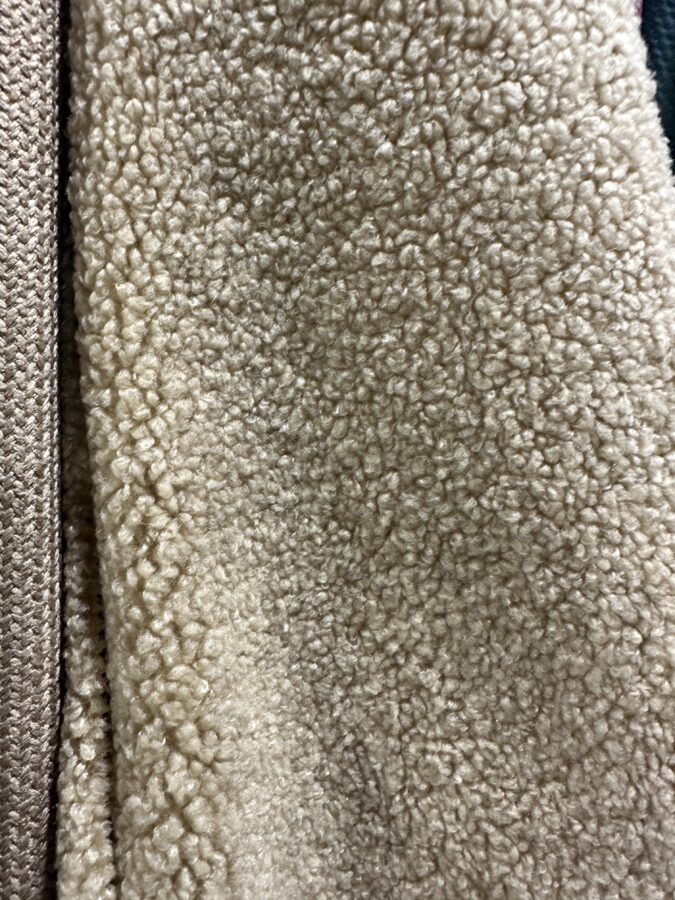
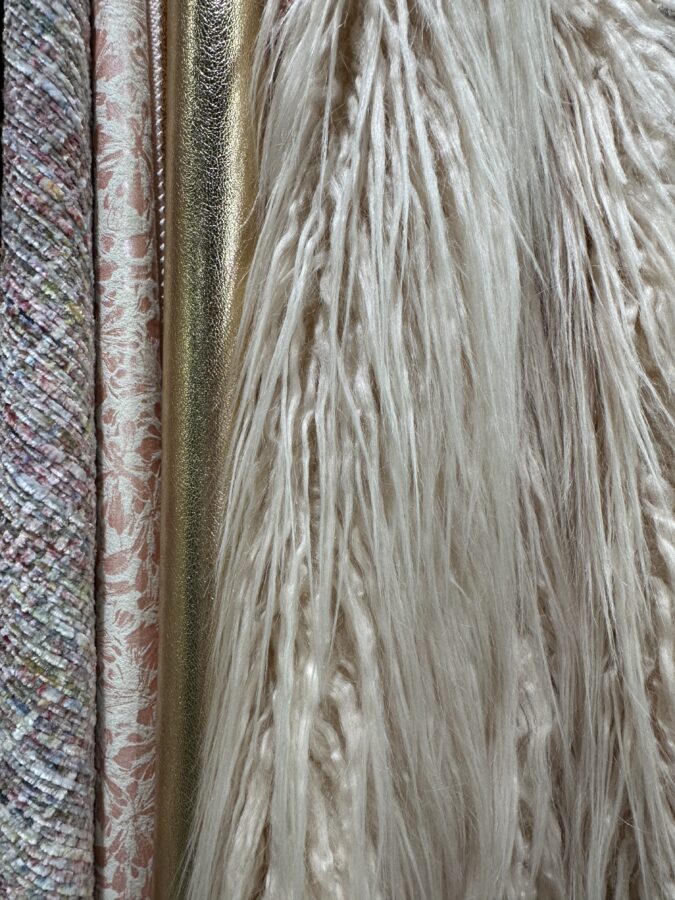
Which colours and materials will be important for Autumn/Winter next year? Plush materials in varying pile lengths, rustic checks and crocodile embossing dominate the picture – signs of a further return to classic styling and elegance. Natural shades ranging from beige to mid-brown remain relevant, complemented by metallics. The green spectrum, particularly olive tones, is being highlighted as important, while shades of red and orange add an elegant touch.